


Tubular Breast Correction at Doku Clinic: Best Surgical Techniques
Publish Date:3 June 2026

Addressing a tuberous breast deformity requires an understanding of breast anatomy and advanced plastic surgery. At Doku Clinic, we specialize in transforming these structural anomalies into natural, balanced silhouettes. Through customized tubular breast augmentation, our surgeons successfully restore both shape and patient confidence.
What Is Tuberous Breast Deformity?
The tuberous breast deformity is a congenital anomaly where the breasts do not develop normally during puberty. This condition restricts natural growth, forcing the breast tissue to expand forward rather than outward and downward.
The constraint is caused by a dense, fibrous ring of tissue at the base of the breast, which prevents the gland from expanding over the chest wall. Our specialists understand that this condition affects both breast volume and shape.
Do You Have Tuberous Breasts or Are They Just Saggy?

Tuberous breasts have markers that differentiate them from breast hypoplasia. The primary characteristic is a constricted breast base, which narrows the footprint of the breast on the chest wall. Additionally, patients typically present with an abnormally elevated inframammary fold (IMF) and a deficient lower breast pole.
Another prominent feature is herniation of the breast gland into the areola, causing the areola to appear enlarged, puffy, or stretched. This asymmetry complicates standard cosmetic treatments and requires a specialized approach like tubular breast correction to restore anatomical balance.
Grades of Tubular Breast Deformity
The severity of a tuberous breast deformity is evaluated using the von Heimburg system. Understanding your specific grade is crucial for predicting surgical outcomes and selecting appropriate techniques.
| Clinical Grade | Anatomical Characteristics | Prevalence Rate | Surgical Complexity |
| Grade I | Hypoplasia of the lower medial quadrant; mild constriction. | ~45% of cases | Moderate |
| Grade II | Hypoplasia of both lower quadrants; deficient skin envelope. | ~35% of cases | High |
| Grade III | Deficiencies in all quadrants; severe base constriction and severe herniation. | ~20% of cases | Very High |
Techniques for Tubular Breast Correction
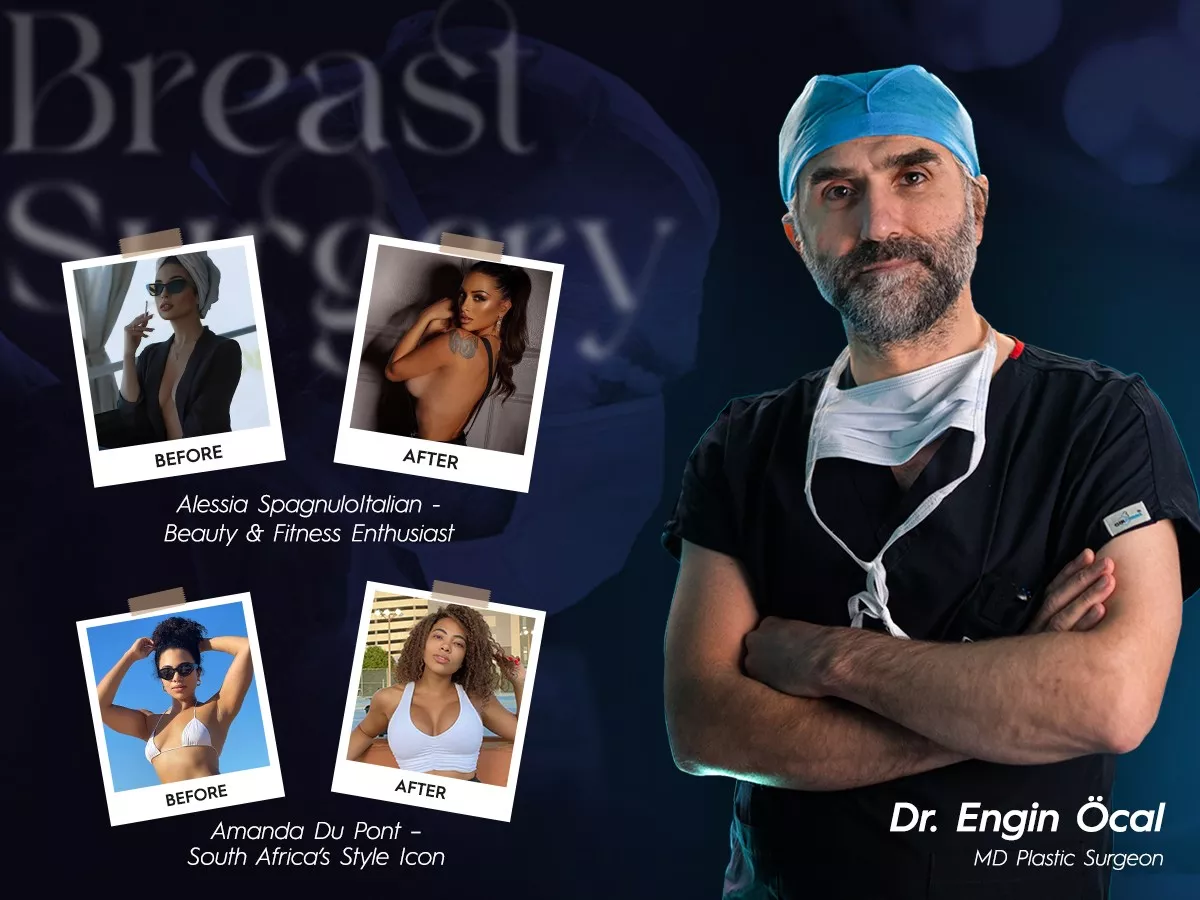
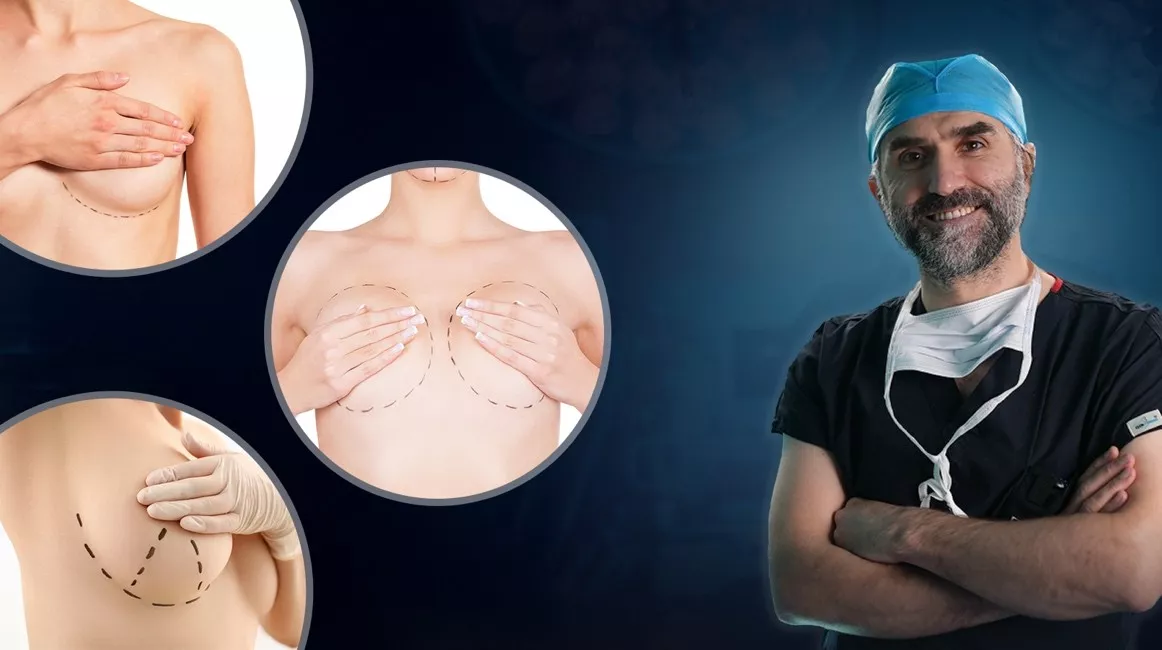
Because the underlying problem is a restrictive fibrous ring, surgeons must alter the internal architecture of the breast to correct tubular breasts. In 2026, there are 3 main surgical protocols that can be performed in combination or isolation to achieve the desired outcomes.
1. Tissue Release and Gland Scoring
The foundational is the release of the constricting tissue through a periareolar incision. Following tissue release, the surgeon performs glandular scoring. This involves making superficial incisions into the breast tissue of the lower pole. Glandular scoring allows the skin envelope to expand downward and creating a beautifully rounded, natural lower breast curve.
2. Advanced Tubular Breast Augmentation with Implants
Once the tight tissue is fully mobilized, tubular breast augmentation is typically performed to restore proper volume. Choosing the right implant type is critical; our surgeons frequently select highly cohesive anatomical implants (teardrop-shaped) or ergonomic silicone gel implants.
At Doku Clinic, our specialists routinely utilize a dual-plane or submuscular pocket placement. Placing the implant partially beneath the pectoralis major muscle provides optimal soft-tissue coverage, significantly reducing the risks of implant visibility, palpability, and capsular contracture over time.
1. Complementary Fat Grafting for a Natural Contour
For patients requiring refined structural symmetry, autologous fat grafting (lipofilling) is a major advancement. During this procedure, fat cells are harvested via liposuction from areas like the abdomen or thighs. These cells are then purified and injected into the subcutaneous layers of the newly corrected breast.
Fat grafting acts as a biological filler, smoothing out minor transitions and softening any visible edges of the implant.
Risks and Safety Protocol
Every surgical intervention carries risks that must be evaluated. When addressing a tuberous breast deformity, the primary objective is to alter the internal tissue while preserving vascularity and sensation. At Doku Clinic, our medical team maintains a strict safety protocol to keep complication rates significantly below international averages.
- Vascular Preservation:Meticulous dissection prevents damage to the internal mammary and lateral thoracic arteries.
- Sensation Retention:Incisions are placed precisely to safeguard the anterior and lateral cutaneous branches of the intercostal nerves.
- Sterility Standards:Operating rooms utilize positive pressure HEPA filtration systems to eliminate airborne contaminants.
Potential Complications of Corrective Breast Surgery
While tubular breast correction is highly successful, patients must understand the specific risks associated with modifying constricted tissues. The table below details potential complications, their standard clinical incidence rates, and the specialized preventative measures deployed during surgery.
| Potential Complication | Clinical Incidence Rate | Primary Preventative Measure |
| Capsular Contracture | 1.5% – 3.0% | Utilization of highly cohesive, micro-textured or smooth implants placed in a dual-plane pocket. |
| Areolar Alteration / Asymmetry | 2.0% – 4.0% | Precise periareolar measuring tools and tension-free permanent internal suturing techniques. |
| The “Double-Bubble” Phenomenon | Less than 1.0% | Complete circumferential release and radial scoring of the restrictive fibrous tissue ring. |
| Hematoma or Seroma | 1.0% – 2.0% | Strict electrocautery homeostasis during surgery and temporary anatomical micro-drains when necessary. |
How Doku Clinic Minimizes Surgical Risks

Our approach to patient safety relies on advanced pre-operative mapping and intra-operative technology. By eliminating generalized surgical templates, our specialists tailor every step to the patient’s specific tissue boundaries.
- Intra-operative Sizers:Surgeons utilize temporary sizing implants during the procedure to test tissue expansion, skin tension, and structural symmetry before placing the permanent implant.
- Advanced Hemostasis:High-definition bipolar electrocautery minimizes blood loss, which directly correlates with a lower risk of post-operative pain and capsular contracture.
- Antibiotic Irrigation:The surgical pocket is thoroughly cleansed with a triple-antibiotic solution prior to implant insertion to prevent biofilm formation.
Expected Results and Longevity
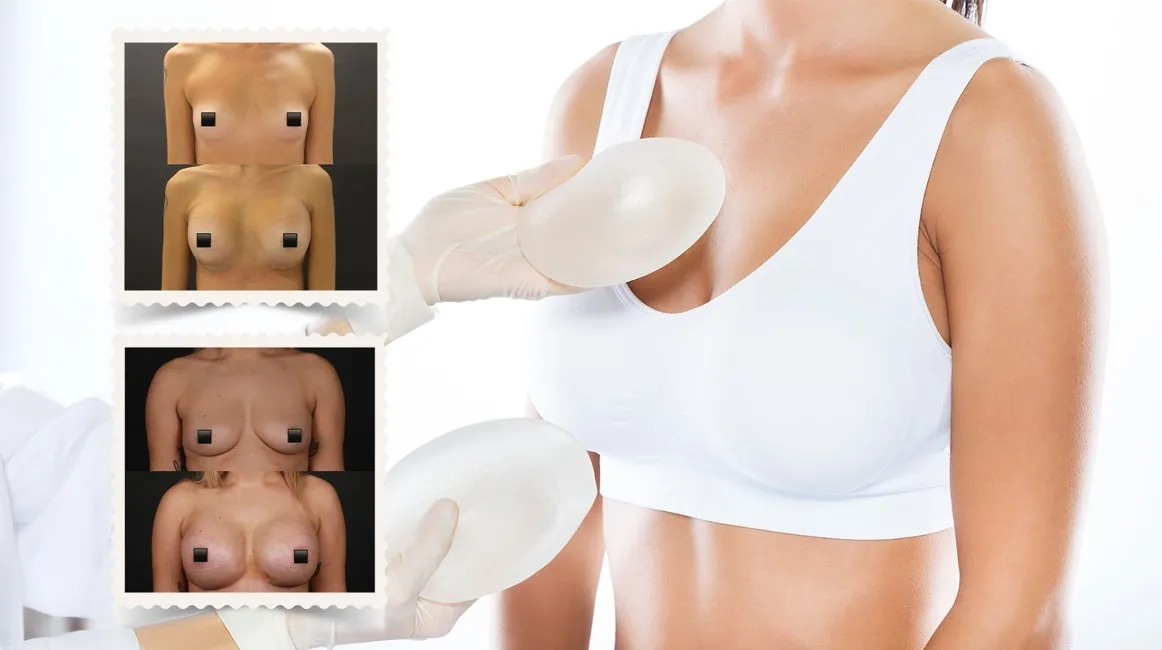
The ultimate goal of a tubular breast correction is to establish a natural, round, and proportional breast shape that remains stable over time. Because the constricted tissue has been released and remodeled, the structural changes are anatomically permanent.
The transformation following a successful tubular breast augmentation is immediate, though final refinement takes several months as the tissues settle.
- Lower Pole Fullness:The deficient lower quadrant expands downward, creating a natural, soft slope and a properly positioned inframammary fold.
- Areolar Flattening:The herniated portion of the breast gland is securely repositioned beneath the chest wall, flattening the puffy appearance of the nipple-areolar complex.
- Horizontal Volume Balance:The breast base footprint is widened, bringing the breasts into natural proportion with the patient’s shoulders and torso.
Patient Satisfaction and Long-Term Stability
Long-term medical tracking shows that correcting tuberous breasts yields some of the highest satisfaction rates in reconstructive plastic surgery.
- Psychological Impact:Clinical surveys indicate a 94% increase in self-esteem and body image satisfaction within six months post-surgery.
- Tissue Adaptation:Over the first 12 months, the expanded skin envelope undergoes natural remodeling, softening the overall feel of the breast.
- Implant Longevity:The dual-plane positioning protects the implant from dynamic muscle distortion, ensuring structural stability that lasts for decades, assuming no unrelated physical trauma occurs.
Cost of Tubular Breast Correction Surgery
The total cost of a tubular breast correction in the United States ranges between $12,000 and $18,000 and between £8,000 and £13,500 in the United Kingdom. In contrast, tubular breast augmentation at Doku Clinic in Istanbul ranges between $3,800 and $5,500.
What Is Included in the Doku Clinic Surgery Package?
Doku Clinic ensures complete financial transparency by providing a comprehensive medical and hospitality package. This arrangement allows international patients to focus entirely on their healing process.
- Surgical and Anesthesia Fees:Full coverage of the operating theater costs, specialized surgical staff, and board-certified anesthesiologists.
- Premium FDA-Approved Implants:High-cohesive silicone gel implants from globally recognized manufacturers, complete with lifetime warranties.
- Luxury Accommodation and Logistics:VIP airport-to-clinic transfers and a multi-night stay at a luxury 5-star hotel in Istanbul.
- Post-Operative Care Kits:Provision of specialized medical compression garments, customized surgical bras, and all necessary prescription medications.
- Long-Term Follow-Ups:Personal medical consultations and periodic digital reviews for up to 12 months post-surgery.
Why Choose Doku Clinic for Your Procedure?
Doku Clinic stands as a premier destination for advanced plastic surgery, combining cutting-edge technology with a deep commitment to patient care. Our infrastructure is designed to handle complex structural remodeling cases like tuberous breasts with maximum precision.
- Tailored Surgical Blueprints:We reject generic approaches; every chest wall restriction is anatomically mapped using 3D imaging before the first incision.
- State-of-the-Art Architecture:Our surgical suites are equipped with modern endoscopy and tissue-dissection technologies that preserve vascular health.
- International Patient Support:A dedicated team of medical translators and personal coordinators accompanies patients through every clinical milestone.
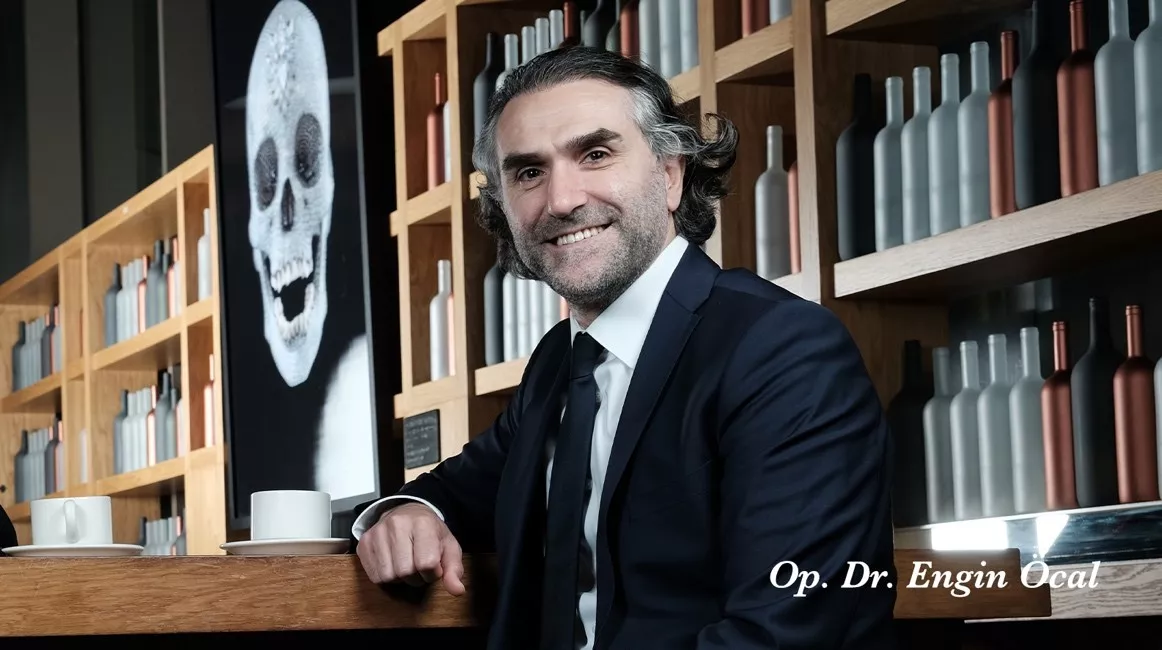
Medical Expertise of Dr. Serkan Aygin and Engin Öcal
The foundational pillar of Doku Clinic’s international reputation is its world-renowned medical leadership, combining decades of clinical mastery.
- Serkan Aygin:Globally celebrated for establishing elite patient care frameworks and clinical protocols. His emphasis on meticulous planning ensures that the entire clinic operates with exceptional safety, organization, and precision.
- Engin Öcal:A highly accomplished plastic and reconstructive surgeon who specializes in correcting severe breast anomalies. His deep understanding of glandular scoring, internal fibrous ring release, and advanced tubular breast augmentation has helped hundreds of patients achieve balanced, natural silhouettes.
Preparing for Your Surgical Journey
A successful surgery depends on preparation and an organized recovery. Because tubular breast correction involves releasing native tissues, the body requires specific conditions to heal symmetrically without undue tension.
- Vascular Health:Patients must optimize blood circulation to support skin flap survival in the newly expanded lower breast pole.
- Logistical Care:Traveling to Istanbul requires a structured timeline that balances clinical evaluations with mandatory rest before flying home.
- Aftercare Compliance:Adhering to post-operative restrictions prevents dynamic fluid collection and implant displacement.
Pre-operative Clinical Evaluation
Your safety journey at Doku Clinic begins well before your flight, starting with a comprehensive digital assessment followed by an in-person physical evaluation in Istanbul.
- Medical Screening:Patients must undergo complete blood counts (CBC), coagulation profiles, and a baseline bilateral breast ultrasound or mammogram to rule out underlying tissue pathology.
- Chemical Restrictions:You must completely stop smoking and using nicotine products at least 4 weeks before surgery; nicotine constricts blood vessels and dramatically increases the risk of skin necrosis in tuberous breasts.
- Medication Adjustments:Avoid aspirin, non-steroidal anti-inflammatory drugs (NSAIDs), and herbal supplements for 14 days prior to the procedure, as these substances inhibit blood platelet aggregation.
Recovery Timeline and Post-operative Data
The healing process following a comprehensive tubular breast augmentation and tissue release follows a predictable chronological sequence.
- Days 1 – 2 (Immediate Post-Op):The patient spends the first night under monitoring at our surgical center. Drains, if utilized, are typically removed within 24 to 48 hours once fluid output drops below 30 mL per day.
- Week 1 (Initial Recovery):Mild to moderate swelling and bruising around the lower pole are expected. Patients must wear a seamless medical compression bra 24/7 to stabilize the dual-plane implant pocket.
- Weeks 2 – 4 (Returning to Routine):Light desk work can be resumed after 7 to 10 days. Heavy lifting (greater than 5 kg) and strenuous upper-body physical exercises are strictly forbidden to prevent pectoralis muscle contractions from displacing the implants.
- Months 3 – 6 (Final Results):Residual swelling completely subsides. The newly scoring-expanded lower pole softens, and the final symmetrical breast contour achieves full anatomical stability.
Transform Your Silhouette at Doku Clinic
If you are ready to address the emotional impact of tuberous breasts, our world-class medical team is here to guide you. Dr. Serkan Aygin and Dr. Engin Öcal combine decades of expertise to deliver safe, life-changing results. Contact Doku Clinic today to schedule your free, confidential virtual consultation.
FAQs
How do I know if I have tuberous breast deformity?
If your breasts appear elongated, tube-shaped, have an unusually high crease underneath, a very narrow base against your chest, or if your nipple area looks swollen, puffy, or disproportionately large, you likely have tuberous breasts. A physical evaluation by our specialists will confirm the precise clinical grade.
Can a standard breast augmentation fix tubular breasts?
No, a standard breast augmentation cannot correct a tubular deformity. Simply placing an implant into an unreleased, constricted breast will cause the implant to push through the weakest point or sit awkwardly above the tight tissue band. The internal fibrous ring must be surgically released and scored first to allow the tissue to expand naturally over the implant.
What is the recovery time after tubular breast correction?
Most patients return to light daily activities and desk work within 7 to 10 days following surgery. However, complete internal tissue healing takes longer. You will need to wear a specialized surgical compression garment for 6 consecutive weeks and avoid heavy lifting, vigorous exercise, or sleeping on your stomach for at least 1.5 to 2 months to ensure optimal results.
Will there be visible scarring after surgery?
Because correcting tuberous breasts requires adjusting both the breast tissue and the enlarged nipple area, incisions are almost always placed around the border of the areola (a periareolar incision). This placement is highly advantageous because the scar heals along the natural color transition line of your skin, making it exceptionally discreet and difficult to see once fully matured.
Is tuberous breasts surgery permanent?
Yes, the surgical alterations made during a tubular breast correction are structurally permanent. The tight, restrictive internal tissue bands that caused the deformity are completely divided and scored, meaning they cannot contract back into their original deformed shape. Your new breast foundation remains stable, changing over time only due to natural aging, significant weight fluctuations, or future pregnancies.