


How Long Does a Facelift Last? | Longevity & Results Guide
Publish Date:18 May 2026

A facelift (rhytidectomy) is designed to turn back the aging clock, but it does not stop time. The procedure resets your appearance by 7 to 12 years and changes are are permanent, but your body will continue to age naturally.
To maximize how long facelift results last, Doku Clinic focuses on the SMAS (Superficial Musculoaponeurotic System) layer. However, biological factors such as collagen degradation and elastin loss eventually lead to new signs of aging. Today, we are going to detail all important factors to make the most out of your surgery and guarantee longest-lasting outcomes.
What is the Average Duration of Facelift Results?
According to data from the American Society of Plastic Surgeons (ASPS), the success of a facelift is measured by the stability of the repositioned tissue over time.
- The 10-Year Benchmark:Research involving long-term follow-ups indicates that 76% of patients still look significantly younger than they did prior to their surgery even a decade later.
- The Relapse Window:On average, signs of skin laxity and the return of minor jowling begin to emerge between 5 and 8 years post-operation. This is the continued progression of biological aging.
- The Revision Cycle:Data from the Aesthetic Surgery Journal shows that the average interval between a primary facelift and a secondary (revision) procedure is approximately 5 years.
| Source / Study Type | Key Finding | Average Duration |
| ASPS Longitudinal Study | Maintenance of Youthful Appearance | 10+ Years |
| SMAS Technique Reviews | Structural Integrity of Deep Tissues | 12 – 15 Years |
| Aesthetic Surgery Journal | Patient Satisfaction Rate at Year 10 | 85% Satisfaction |
| Clinical Aging Repositories | Appearance of New Laxity (Average) | 7.2 Years |
Facelift Longevity by Procedure Type

The lifespan of your results is dictated by the surgical approach. Not all facelifts guarantee the same structural integrity or long-term staying power. At Doku Clinic Istanbul, our specialists match the technique to the patient’s anatomical needs to ensure the longest posible results.
Full Facelift vs. Mini Facelift
The Full Facelift remains the best solution for addressing the lower two-thirds of the face and the neck. Because it involves extensive repositioning of deeper tissues, results typically last 10 to 15 years.
Conversely, a Mini Facelift targets early signs of jowling and mid-face sagging. Because tissue manipulation less intensive, the longevity generally ranges from 5 to 7 years. It serves as a preventative measure for younger patients but requires earlier maintenance.
Deep Plane Facelift: Maximum Durability
The Deep Plane Facelift in Turkey is regarded as the most durable technique available. Unlike traditional methods, it involves releasing the ligaments that tether the deep facial tissues, allowing for a tension-free repositioning of the entire malar fat pad and musculature.
Data suggests that the Deep Plane approach offers maximum longevity because it does not rely on the skin to hold the lift in place. By shifting the internal architecture of the face, patients at Doku Clinic enjoy results for 15+ years.
Key Factors Influencing Facelift Longevity
How long facelift results last is determined by biology, doctor skill, surgical technique, life habits and proper aftercare immediately post-op. While the average lifespan of a facelift is at least 5 years, certain variables can prolongate or shorten this period.
Genetic Predisposition
Patients blessed with high bone density and prominent malar (cheek) bones possess an internal “shelf” that provides ongoing support to the repositioned soft tissues. Furthermore, the quality of your dermis —specifically the density of collagen and elastin fibers—determines how well the skin “remembers” its new position. In practice, patients with thicker skin tend to see longer-lasting results compared to patients with thin, fragile skin.
Lifestyle Choices
External factors such as tobacco and nicotine consumption are the most significant threats to how long facelift results last; nicotine is a potent vasoconstrictor that reduces blood flow to the skin, starving healing tissues of oxygen and essential nutrients.
Additionally, ultraviolet (UV) radiation from the sun accounts for approximately 80% of visible facial aging. Maintaining a stable weight is equally vital. Fluctuations can cause the skin to expand and contract, leading to loss of elasticity.
Surgeon Technique and Precision
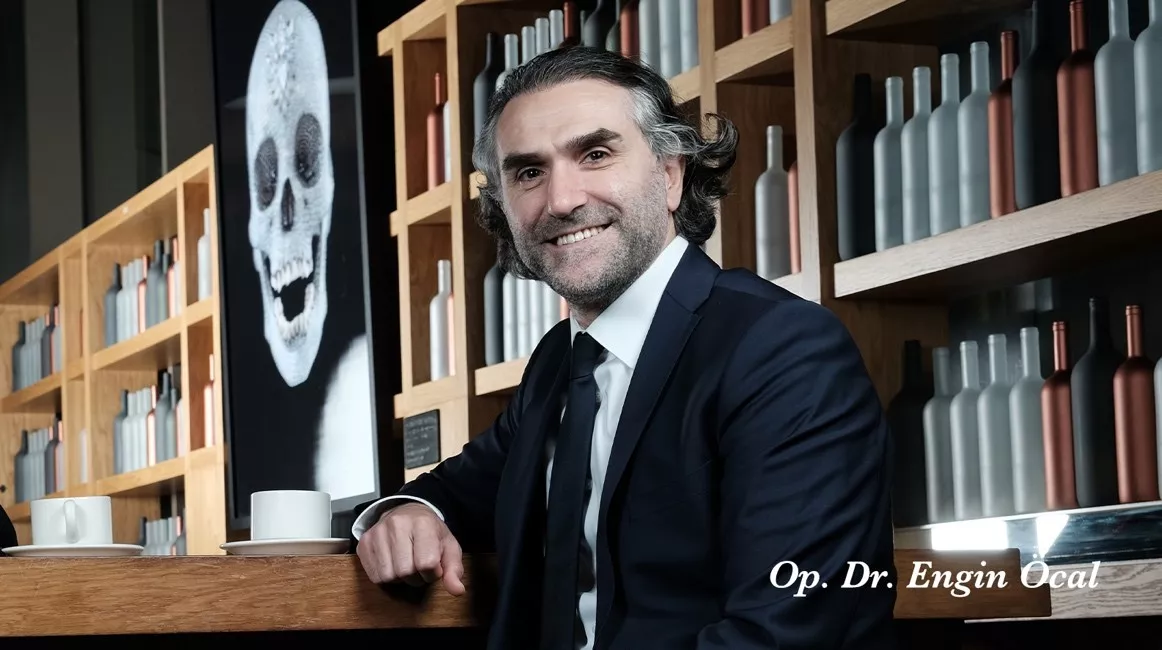
A superficial skin-only lift relies on the thinnest, most elastic organ of the body to hold the weight of the face—this inevitably fails within 2 to 3 years.
By contrast, Doku Clinic plastic surgeons focus on the deep fascial layers. By tightening the Superficial Musculoaponeurotic System (SMAS) or performing a Deep Plane Facelift, we anchor the lift to the underlying, non-elastic structures of the face.
Aftercare, Recovery and Its Impact on Long-Term Facelift Results
Proper facelift recovery is about ensuring the internal sutures and tissues adhere in their new, elevated positions. At Doku Clinic Istanbul, we emphasize a strict recovery protocol to prevent the weight of gravity from impacting the results.
Post-Op: Days 1 to 10
During this window, the incisions are at their most vulnerable. We utilize compression garments that minimize edema (swelling) and provide external support to the newly positioned tissues.
Patients are instructed to sleep with their head elevated at a 30-degree angle to prevent fluid accumulation. Avoiding any sports or exercise that raises blood pressure is mandatory.
Weeks 2 to 6 Post Facelift
By the second and third weeks, the facelift begins to transition from the sutures to your own natural collagen fibers. In other words, the tissues are beginning to knit together.
At Doku Clinic, we advise against heavy lifting or intense cardiovascular exercise during this stage. Facial muscle movement or physical strain can lead to micro-tearing of the healing deep tissues.
Months 3 to 12
The final results of a facelift are not visible until tissue maturation is complete. Over these months, internal scars soften and the lymphatic system restores normal drainage to the face.
Sun protection and hydration are key here. The skin is still settling over its new contours. By the one-year mark, the tissues have fully set, providing the stable foundation that will carry the patient through the next decade or more.
Non-Surgical Maintenance to Extend Your Results
To maximize the years you get out of your facelift, a proactive plan is essential. Surgery addresses the structure, but non-surgical treatments address the surface quality and volume.
- Medical-Grade Skincare: Using retinoids and antioxidants to maintain skin thickness.
- Dermal Fillers: To address minor volume loss in the temples or cheeks that surgery cannot entirely fix.
- Laser Resurfacing: To treat fine lines and pigmentation that appear as the skin continues to age.
- Sun Protection: Daily application of SPF 50+ is the single most effective way to prevent the breakdown of surgical results.
Facelift Longevity Comparison Table
The following table provides a quick reference for the expected outcomes of various facial procedures performed at Doku Clinic.
| Procedure Type | Target Area | Estimated Longevity | Ideal Patient Age |
| Mini Facelift | Lower face / Jowls | 5 – 7 Years | 40 – 50 |
| Full Facelift (SMAS) | Mid-face, Jowls, Neck | 10 – 12 Years | 50 – 65 |
| Deep Plane Facelift | Full structural lift | 15+ Years | 50 – 75 |
| Neck Lift | Submental fat / Platysma | 10 – 15 Years | 45+ |
Why Choose Doku Clinic in Istanbul for Facial Rejuvenation?

Choosing Doku Clinic in Istanbul means accessing world-class expertise in one of the world’s leading hubs for medical tourism. Our surgeons prioritize a natural aesthetic, ensuring that the results are not just long-lasting but also undetectable.
By understanding the unique vectors of your aging process, our doctors can apply the most resilient surgical techniques. This precision is why Doku Clinic is a preferred destination for international patients seeking high-quality, durable facial rejuvenation.
FAQs
How many times can you get a facelift?
Most patients can safely undergo two facelifts in their lifetime, usually spaced 10 to 15 years apart. Subsequent surgeries become more complex due to scar tissue and skin thinning.
Does a facelift make you look fake as it ages?
No, provided the surgeon uses a SMAS or Deep Plane technique. These methods move the muscles rather than stretching the skin, ensuring you age naturally from your new baseline.
Will I lose my results if I lose weight?
Significant weight fluctuations (more than 10-15 lbs) can cause the skin to stretch or sag, potentially compromising the crispness of your jawline and facial contours.
What is the best age for a facelift?
There is no perfect age, but most surgeons see optimal, long-lasting results in patients between 45 and 60, when skin still retains some natural elasticity.
Is facelift recovery painful?
Most patients report a feeling of tightness and discomfort rather than acute pain. Standard medication is usually sufficient for the first 3-5 days.
Can I travel back home immediately after surgery in Istanbul?
At Doku Clinic, we recommend staying in Istanbul for at least 7 to 10 days to ensure the initial healing phase is monitored by our medical team before you fly.
Schedule Your Free Consultation at Doku Clinic
Ready to see how many years you can take off your appearance? Contact Doku Clinic today to speak with our expert surgeons and receive a personalized treatment plan!