


Facelift Turkey: The 2026 Clinical Guide to Facial Rejuvenation
Last Update:24 February 2026
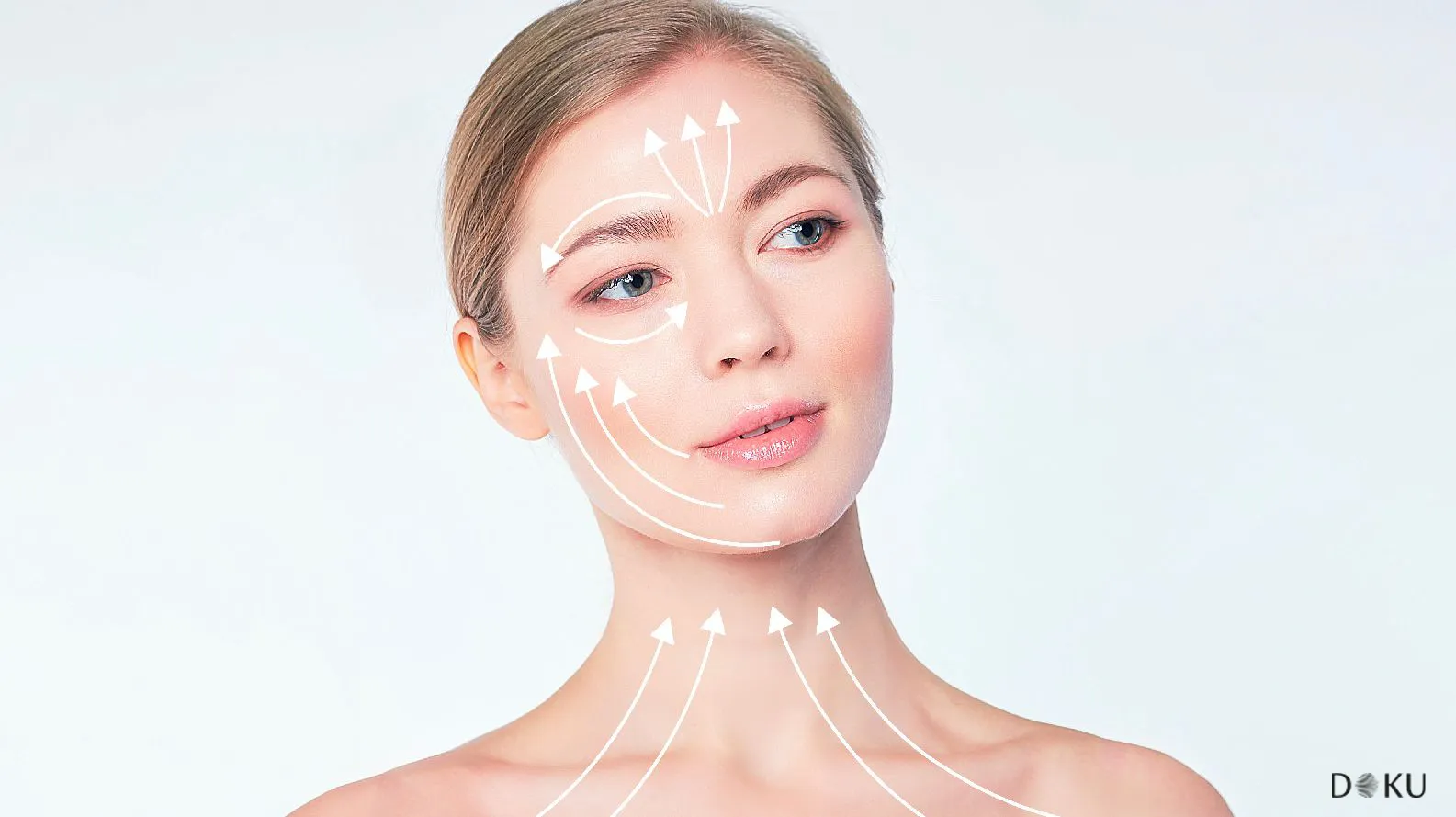
Facelift Turkey: The 2026 Clinical Guide to Facial Rejuvenation
A facelift in Turkey has reached global gold standards in 2026, combining regenerative medicine with surgical precision. Leading institutions like Doku Clinic utilize advanced biostimulators and stem cell therapies as adjuncts to surgery, accelerating the healing process. New therapies and surgical techniques tackle the deepest layer of facial aging, involving the descent of fat pads and the weakening of the Superficial Muscular Aponeurotic System (SMAS). This guide explores the clinical pathways, surgical techniques, and financial considerations for surgical facial rejuvenation in Istanbul.
Why Choose Turkey for Facelift Surgery
Turkey’s dominance in the field of facial plastic surgery is underpinned by a high volume of complex cases and adherence to international medical standards. Patients traveling for a facelift in Turkey benefit from a medical infrastructure that is designed to accommodate international recovery while maintaining the highest safety.
World-Renowned Plastic Surgeons
The success of a face lift in Turkey is attributed to the caliber of its surgeons. Most leading practitioners are board-certified and active members of the International Society of Aesthetic Plastic Surgery (ISAPS). A reputable plastic surgeon in Turkey often performs hundreds of facial surgeries annually, providing him with a level of “manual dexterity” and “structural intuition” that is world-class.
Advanced Surgical Techniques
In 2026, the Turkish medical landscape has pioneered the integration of high-definition endoscopy and ultrasonic surgical tools. These technologies allow for smaller incisions and less trauma to the vascular system. Techniques such as the Deep Plane Facelift are performed with microscopic precision.
Significant Cost Savings
The Turkey facelift cost remains significantly more competitive than in Western Europe or North America. Patients can often save between 50% and 70% compared to UK or US prices, without any compromise on the quality or the sterility of the environment.
State-of-the-Art Medical Facilities
Hospitals in Istanbul are frequently JCI (Joint Commission International) accredited, featuring the same or superior technology to Western clinics. These facilities offer a luxury experience where post-operative care is integrated, ensuring that the critical first 48 hours post-op are monitored by specialized nurses.
Types of Facelift Procedures in Turkey
Selecting the correct surgical approach is essential for a successful facelift in Istanbul. You can always contact us for a free online consultation in order to receive personalized medical advice. Here are the newest, most advanced types of rhytidectomy in 2026:
Full Facelift (Rhytidectomy)
The Full Facelift remains the most effective procedure for patients with significant skin laxity in the mid-face, jawline, and neck. This technique involves an incision that typically begins in the hairline at the temples, continues around the ear, and ends in the lower scalp. In 2026, the focus of a face lift in Turkey is the structural restoration of the lower two-thirds of the face, effectively eliminating “jowls” and tightening the “turkey neck” through platysmaplasty.
Mini Facelift Procedures: The S-Lift and Weekend Lift
For younger patients (typically in their 40s) showing early signs of sagging, the Mini Facelift offers a less invasive alternative. This procedure utilizes shorter incisions—often called “S-incisions”—to address the lower face and jawline. While it offers a shorter recovery timeline, it is important to note that a mini facelift in Turkey is not a substitute for a full rhytidectomy if significant neck laxity is present.
Deep Plane Facelift: The Gold Standard for Natural Results
The Deep Plane Facelift is widely regarded by experts as the superior method for facial rejuvenation. Unlike traditional methods, the surgeon enters a deeper anatomical plane beneath the SMAS layer. This allows for the repositioning of the entire composite tissue (muscle and fat) as a single unit. Because the skin is not “pulled” independently of the muscle, the results are tension-free, preventing the tell-tale signs of surgery and ensuring a natural-looking youthfulness.
SMAS Facelift Technique: Structural Support and Longevity
The SMAS Facelift focuses on the Superficial Muscular Aponeurotic System—the layer of tissue that covers, surrounds, and attaches to the deeper facial muscles. By lifting and securing this layer, the surgeon provides a stable foundation for the skin. This technique is highly effective for long-term correction of the nasolabial folds and marionette lines, significantly extending the longevity of the Turkey facelift results compared to skin-only procedures.
Thread Lift Alternatives: Non-Surgical Volumization
For those not yet ready for surgery, Thread Lifts using absorbable PDO or PLLA sutures offer a temporary “lifting” effect. While these are often marketed as a non-surgical facelift, it is vital to manage expectations: threads provide a subtle lift and stimulate collagen, but they cannot remove excess skin or reposition deep fat pads with the permanence of a surgical face lifting in Turkey.
Facelift Procedure Process in Turkey: The Patient Journey
The logistical efficiency of a facelift in Istanbul is designed to minimize patient stress while maximizing clinical safety. The process is a highly choreographed sequence of events that prioritizes pre-operative planning and post-operative monitoring.
Pre-Surgery Consultation and 3D Facial Mapping
Before any incision is made, patients at top-tier clinics like Doku Clinic undergo a comprehensive consultation. This includes 3D facial mapping. This stage is critical for assessing bone structure, skin thickness, and the patient’s aesthetic goals to ensure the chosen facelift technique aligns with their biology.
Surgery Day Experience: Safety and Anesthesia Standards
On the day of surgery, procedures are typically performed under general anesthesia or deep intravenous sedation, depending on the complexity. Modern safety protocols in Turkey include real-time monitoring of vitals and the use of tranexamic acid to minimize intraoperative bleeding. A standard facelift surgery can take anywhere from 3 to 6 hours, depending on whether it is combined with eyelid surgery (blepharoplasty) or fat grafting.
Recovery Timeline: What to Expect Week-by-Week
The recovery timeline for a facelift is a structured process. While individual healing rates vary, the following table provides a general clinical expectation for patients:
| Timeframe | Recovery Milestones | Activity Level |
| Day 1-2 | Surgical drains removed; mild discomfort managed with meds. | Bed rest with head elevated. |
| Week 1 | Initial swelling and bruising peak then begin to fade. | Light walking indoors. |
| Day 10-14 | Sutures are removed; most bruising can be hidden with makeup. | Return to non-strenuous work. |
| Week 4 | Residual swelling subsides; facial contours become defined. | Moderate exercise permitted. |
| Month 3-6 | Final results settle; scars begin to fade into the hairline. | Full physical activity. |
Post-Operative Care: Specialized Healing Protocols
To ensure the best Turkey facelift cost value, clinics provide intensive post-op support. This often includes hyperbaric oxygen therapy or lymphatic drainage massages to reduce edema (swelling) faster. Patients are provided with a dedicated medical coordinator who is available 24/7 during their stay in Istanbul to monitor the healing of the incisions and ensure a sterile recovery environment.
Cost Analysis and International Comparison
The Turkey facelift cost averages €3,500 to $7,500 and while evaluating it, it is essential to consider exactly what is included in the medical travel package and who the surgeon carrying out the operation is.
Turkey vs UK Facelift Costs: A Detailed Breakdown
In the United Kingdom, a comprehensive rhytidectomy at a private clinic in London can be financially prohibitive. The UK facelift price often excludes secondary costs such as anesthesia fees, hospital stay, and follow-up garments. Conversely, a facelift in Istanbul typically includes these essentials within the initial quote.
| Feature | Turkey (Istanbul) | United Kingdom (London) |
| Average Cost | €3,500 – €7,500 | €12,000 – €22,000 |
| Inclusions | Surgery, VIP Transfer, 5-Star Hotel, Nursing | Surgery Only (often) |
| Technique | Deep Plane / SMAS / Endoscopic | Standard SMAS / Traditional |
| Wait Time | 2–4 Weeks | 3–9 Months |
Turkey vs USA Pricing for Facelifting
For patients from the United States, the price disparity is even more pronounced. In premium markets like Beverly Hills or New York, a Deep Plane Facelift can exceed $30,000. By choosing a facelift in Turkey, American patients can access world-class surgeons for a fraction of the price.
Package Deals and Inclusions
Most Turkish clinics operate on an “all-inclusive” basis. This model is designed to provide peace of mind to international patients. A typical Turkey facelift package in 2026 includes:
- Pre-operative lab workand blood tests.
- General anesthesiaand surgical facility fees.
- Luxury hotel accommodation(usually 5–7 nights).
- VIP private transfersbetween the airport, hotel, and clinic.
- Post-operative medications, compression garments, and follow-up care.
Choosing the Right Plastic Surgeon in Turkey
A successful face lift in Turkey depends more on the surgeon’s skill than the clinic’s décor. When researching your doctor, prioritize:
- Board Certification:Ensure the surgeon is certified by the Turkish Society of Plastic, Reconstructive and Aesthetic Surgeons (TPRECD).
- International Memberships:Look for affiliations with ISAPS or the American Society of Plastic Surgeons (ASPS).
- Case Portfolio:Request unedited facelift before and after photos that show long-term results (6 months+).
- Specialization:Choose a surgeon who specializes in facial plastic surgery rather than a generalist.
FAQs
How long does a facelift in Turkey last?
A high-quality SMAS or Deep Plane Facelift performed by an expert in Istanbul typically lasts between 10 to 15 years. While the surgery “turns back the clock,” the natural aging process continues from a new, younger baseline.
Is it safe to have a facelift in Istanbul?
Yes, provided you choose a JCI-accredited facility. Turkey has some of the strictest medical tourism regulations in the world, requiring clinics to maintain high standards of sterility and surgeon qualification.
Will I have visible scars after my facelift?
In a modern facelift Turkey procedure, incisions are hidden within the natural contours of the ear and the hairline. Once healed, these scars are virtually invisible to the naked eye.
How many days should I stay in Turkey after surgery?
Most surgeons recommend staying in Istanbul for 7 to 10 days. This allows for the removal of sutures and a final check-up before you fly home.
What is the ideal age for a facelift in Turkey?
There is no “perfect” age, but most patients seek a facelift in Istanbulbetween the ages of 45 and 65. The best results occur when there is still some skin elasticity. However, if you have significant jowling or neck laxity at a younger or older age, you may still be an excellent candidate for a face lift in Turkey.
Can I combine a facelift with other procedures?
Absolutely. Many patients maximize their Turkey facelift cost by combining the procedure with a neck lift, blepharoplasty (eyelid surgery), or fat grafting. Combining treatments ensures a harmonious rejuvenation of the entire face and requires only a single recovery period.
How soon can I fly back home after my Istanbul facelift?
Most surgeons advise waiting at least 7 to 10 days before flying. This allows the initial swelling to subside and ensures you are past the most critical window for potential complications. Your surgeon will provide a “fit to fly” certificate following your final post-operative check-up.
Will a facelift in Turkey make me look “pulled” or unnatural?
With modern techniques like the Deep Plane Faceliftused at leading clinics, the “pulled” look is a thing of the past. By repositioning the deep muscle layers rather than just stretching the skin, Turkish surgeons achieve a refreshed, rested appearance that respects your natural facial expressions.
Is the Turkey facelift cost truly all-inclusive?
Most reputable packages for a facelift in Turkey include the surgery, anesthesia, hospital stay, luxury accommodation, and VIP transfers. However, it is always wise to confirm if personal expenses, extra nights, or international flights are included to ensure full transparency.