


Endoscopic Facelift: Lasting Anti-Aging with Minimal Intervention
Last Update:11 June 2026
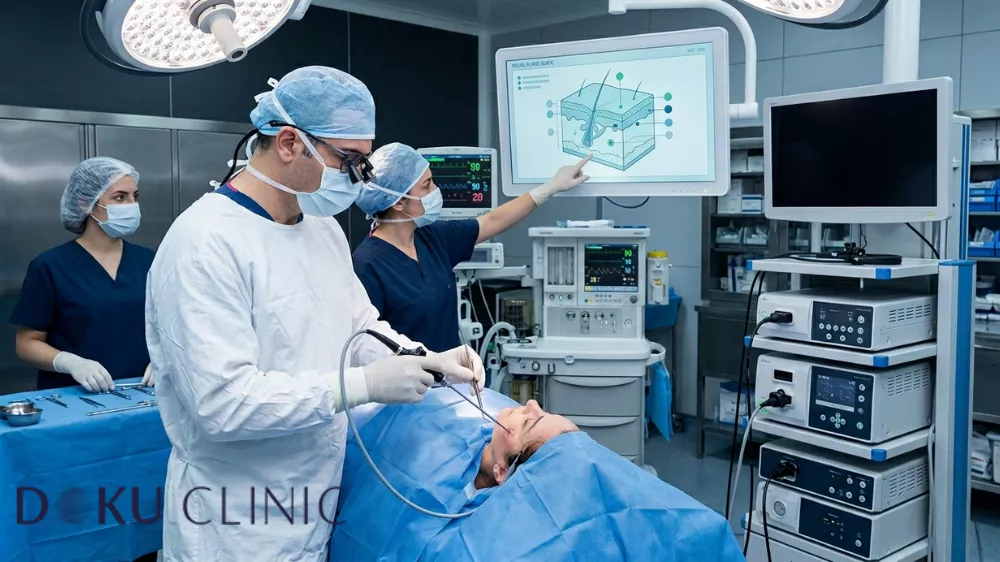
Facial aging involves structural modifications that transcend skin laxity, impacting deeper muscle and fat. An endoscopic facelift can turn back the clock on these changes by lifting underlying tissues. This surgery uses tiny camera systems (endoscopes) to reposition fat, muscle and skin tissue with great accuracy and invisible external marks.
What is an Endoscopic Facelift?
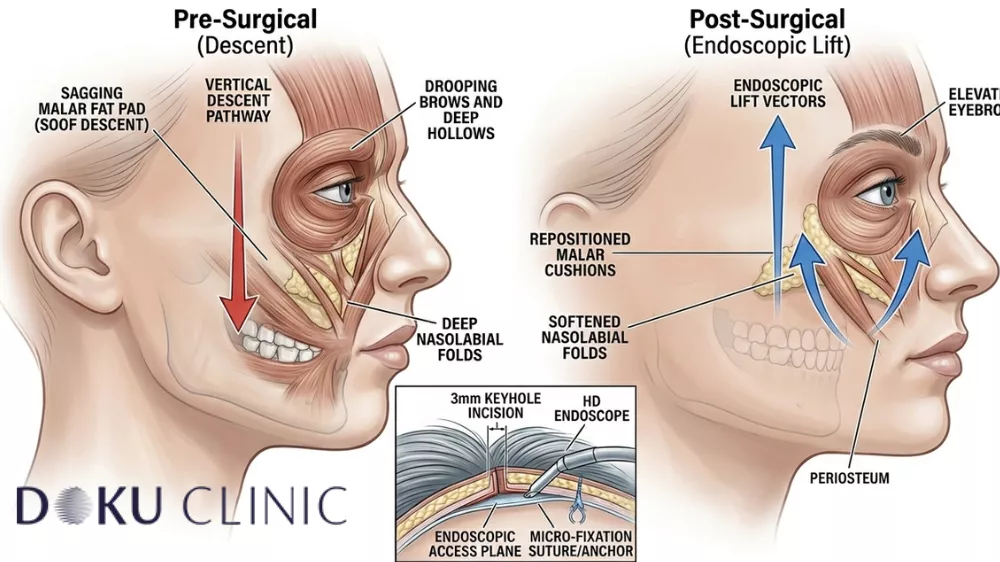
An endoscopic facelift works beneath the deep tissue layers of facial skin. Our plastic surgeons perform 3mm incisions hidden within the hairline to insert a HD endoscope. This fiber-optic camera projects the imaging onto a surgical monitor, allowing great precision to the surgeon when freeing and lifting dropped muscle.
Is an Endoscopic Facelift Better Than Traditional Rhytidectomy?
Choosing between both methods depends on tissue laxity and desired results. An endoscopic facelift focuses on deep tissue through microscopic access. Conversely, a traditional facelift relies on longer incisions around the ear to remove large fields of excess skin.
Here are the main differences that impact patient downtime and surgical risk:
- Incisions:Endoscopic methods require 3 to 4 micro-incisions behind the hairline. Traditional facelifts require extended pre- and post-auricular cuts.
- Tissue Manipulation:The endoscope allows deep subperiosteal lifting. Standard methods primarily pull the superficial musculoaponeurotic system (SMAS) and cutaneous layers.
- Vascular Preservation:Keyhole entry preserves blood vessels, drastically lowering hematoma risks.
| Surgical Parameter | Endoscopic Facelift | Traditional Rhytidectomy |
| Incision Size | 3mm – 5mm | 10cm – 15cm |
| Anatomical Plane | Subperiosteal (Deep) | SMAS / Subcutaneous |
| Visible Scarring | None (Hidden in hair) | Potential around ears |
| Recovery Window | 7 – 10 Days | 21 – 30 Days |
| Anesthesia Type | Sedation or General | General Anesthesia |
What Areas of the Face Does Endoscopic Facelifting Target?
The endoscopic method targets vertical descent rather than horizontal skin-pulling. This makes an endoscopic facelift highly effective for the upper and middle thirds of the face.
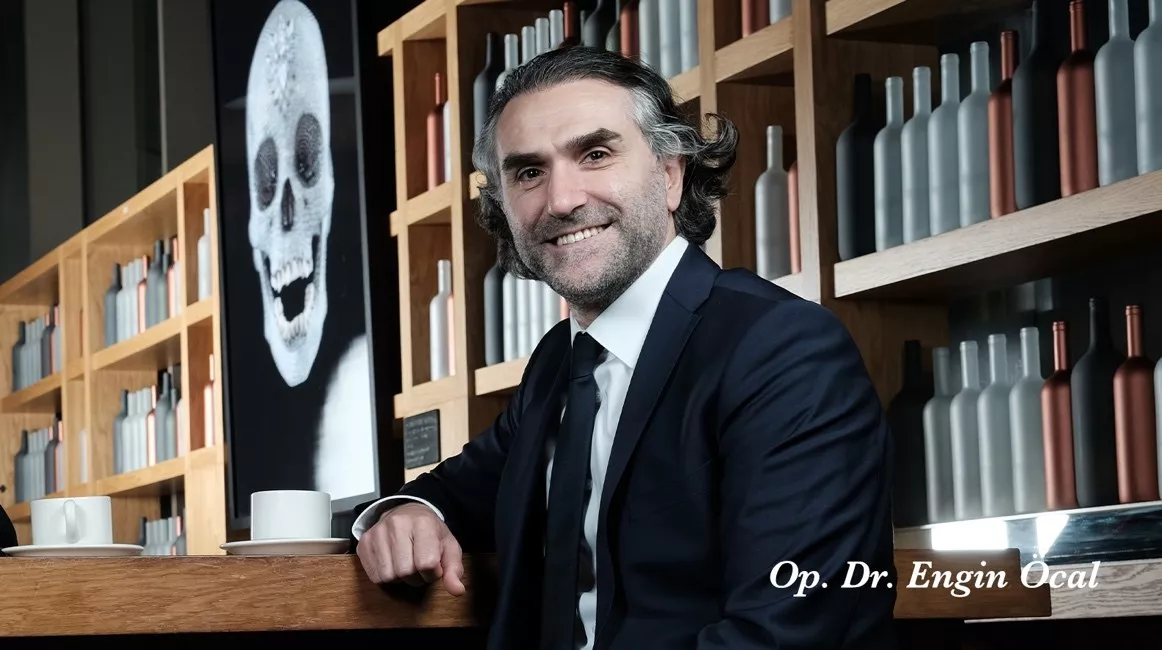
Dr. Engin Öcal emphasizes that restoring inner architecture delivers natural anti-aging results. The treatment successfully restores volume and position to the following facial areas:
- The Malar Cushions:Lifts sagging cheek fat pads back to youthful orbital rims.
- The Periorbital Framework:Elevates descending eyebrows and smooths out deep hollows under the eyes.
- The Nasolabial Folds:Softens the deep expressions running from the nose to the mouth corners.
Who is the Ideal Candidate?
International patients at Doku Clinic often choose this procedure when they want to address early signs of aging before undergoing major open surgery. An endoscopic facelift does not work for all stages of facial aging. It targets specific issues and it is meant for a certain kind of patient, between 30 and 55 years of age.
The ideal patient profile usually presents the following characteristics:
- Mild to Moderate Sagging:Visible descent of the mid-face, cheeks, and eyebrows
- Good Skin Elasticity:Skin requires enough natural rebound to adapt to the new structure
- Minimal Lower Jowl Laxity:Patients requiring extensive neck or heavy lower jaw lifting may need alternative treatments.
Endoscopic Facelift Surgery: Step-by-Step
Endoscopic facelift surgery takes between 1 to 2 hours and is usually performed under general anesthesia. Because surgeons work with HD cameras, they maintain complete visualization during this entire process:
- Anesthesia:Delivered under deep intravenous sedation or general anesthesia for total patient comfort.
- Micro-Incisions: 3 to 5 tiny entries completely hidden within the temporal scalp line.
- Endoscopy:Insertion of the fiber-optic camera to separate the deep periosteum from the facial bones.
- Structural Anchoring:Elevating and securing the dropped muscles into a higher vertical position using sutures.
Healing & Recovery Timeline
Post-op recovery after an endoscopic facelift is much shorter due to the lack of extensive skin cutting. Patients can monitor their healing progress through predictable phases.
Days 1 to 3
- Symptom Peak:Physiological swelling and mild ecchymosis (bruising) reach their peak. This is a normal response to deep tissue manipulation.
- Clinical Compression:Surgeons apply a supportive wrap around the upper cranial vault. This compression garment is critical to minimize fluid retention, stabilize the newly repositioned muscles, and prevent the formation of hematomas.
- Patient Care Protocol:Patients must keep their head elevated at a 45-degree angle, even while sleeping, and apply cold compresses strictly around the eyes for 15 minutes every hour to restrict local blood flow.
Days 4 to 7
- Edema Reduction:Initial soft-tissue swelling subsides rapidly, clearing approximately 40% to 50% of the acute fluid buildup as the lymphatic system adapts.
- Surgical Review:International patients return to Doku Clinic for their first formal post-operative evaluation. Medical staff carefully remove the temporal compression dressings and inspect the micro-incisions hidden within the hairline.
- Activity Adjustments:Normal activities like showering are permitted using specialized, gentle medical shampoos. Patients are advised to walk frequently at a slow pace to boost systemic circulation and accelerate natural tissue healing.
Days 10 to 14
- Anchoring Integrity:The internal anchoring sutures and deep fascial tissues secure tightly to the bone matrix, entering a stable phase of cellular adhesion.
- Visual Clearance:Visible swelling and facial bruising resolve by 80%. Any remaining light yellow skin discoloration can be easily covered with mineral-based medical camouflage makeup.
- Professional Return:Patients can safely return to light professional activities, desk work, and casual social interactions. However, they must avoid bending forward, heavy lifting, and any sudden facial straining.
Week 4 and Beyond
- Edema Resolution:The remaining 20% of residual microscopic edema disappears entirely from the deep tissue planes. Persistent numbness or stiffness around the temples resolves as local nerves recover.
- Structural Manifestation:The final, long-term structural lifting results become completely evident, revealing defined cheekbones and refreshed eyes.
- Long-Term Clearances:Patients receive clearance from specialists like Engin Öcal to resume high-impact cardiovascular exercise, sports, and sauna visits. Follow-up digital photography is performed to document the final anti-aging transformation.
Before & After Results
The success of an endoscopic facelift depends on changes in vertical volume and structural balance. Clinical tracking at Doku Clinic focuses on several improvements:
- Malar Position Shift: Pre-op images show sunken cheek tissues; post-operative images show a 5mm to 8mm upward shift of the cheek fat pad.
- Periorbital Rejuvenation: Before images show heavy, drooping brows; after profiles reveal an opened, refreshed eye area.
- Nasolabial Depth Reduction: Softening the shadow running from the nose to the mouth, changing it from a deep fold to a smooth transition.
| Clinical Parameter Analyzed | Pre-Surgical Baseline State | 3-Month Post-Surgical Mark | 1-Year Long-Term Stability |
| Cheek Fat Pad (Malar) | Drooped / Flattened | Elevated and Volumized | Stable Position Secured |
| Eyebrow Vector | Descending / Heavy | Lifted and Refreshed | Fixed Natural Arch |
| Incisions / Scars | None | Pink / Healing (In Hair) | Fully Faded / Invisible |
| Skin Laxity Around Jowls | Mild Accumulation | Smoothed / Tightened | Maintained Structural Lift |
How Much Does an Endoscopic Facelift Cost?
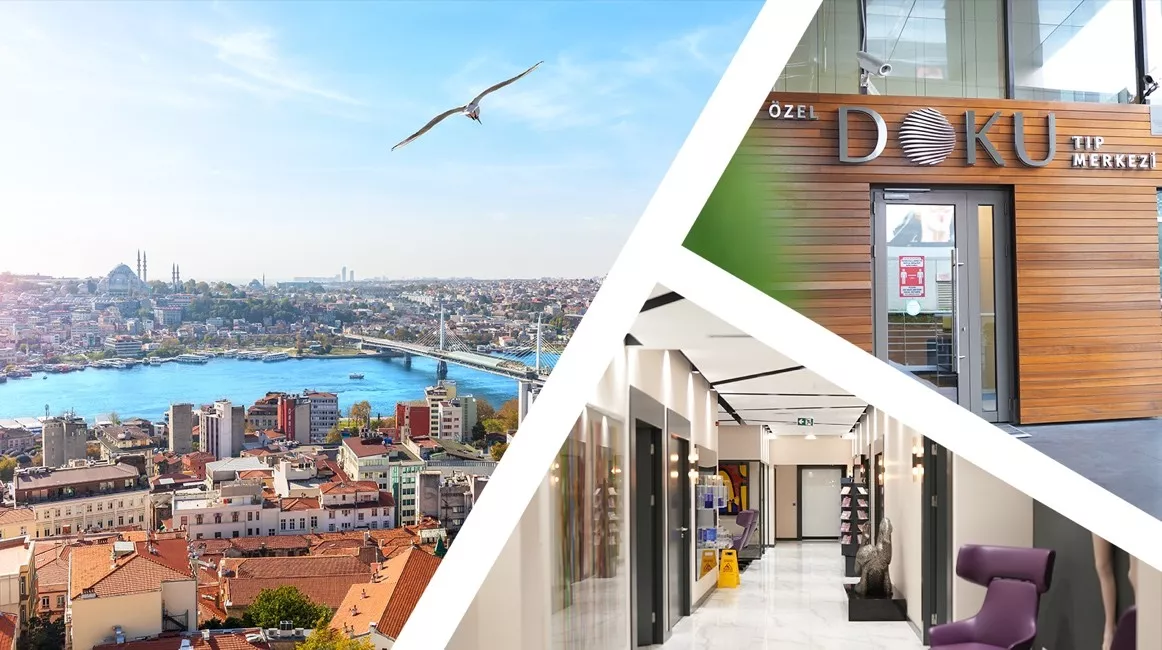
The total cost of an endoscopic facelift varies across regions, hospitals and doctors. While it can cost as much as $18,000 in the US, you can find it for $4,500 all-inclusive in Istanbul (the largest city in Europe):
- United Kingdom & Europe:Prices typically range from €8,000 to €15,000, often excluding post-op checks or facility fees.
- United States:Costs regularly average between $10,000 and $18,000, heavily influenced by hospital fees and anesthesia billing.
- Turkey (Doku Clinic):Packages generally range between €3,500 and €5,500, offering an all-inclusive medical structure for international patients.
Risks & Potential Complications
Every surgery involves risks that patients must carefully evaluate. While an endoscopic facelift is less risky than open rhytidectomy, it remains a technical procedure requiring deep anatomical knowledge.
The primary risks associated with deep-plane endoscopic surgery include:
- Temporary Numbness (Hypesthesia):Caused by mild stretching of the sensory nerves around the temples during tissue lifting, which typically resolves on its own within 3 to 6 months.
- Asymmetry:Minor differences in tissue height during the early healing phase, usually caused by uneven swelling rather than surgical errors.
- Alopecia at Incision Sites:Rare, temporary hair thinning right around the micro-incisions within the scalp, which generally grows back completely over time.
- Seroma or Hematoma:Small collections of fluid beneath the subperiosteal plane, which are prevented by wearing the medical head wrap correctly.
Minimizing Complications: Safety Metrics and Expert Authority
Maintaining safety standards depends on adherence to deep-plane protocols. At Doku Clinic, we ensure strict safety measures are met for every patient. Our clinical team leverages the experience of world-renown dermatologist Dr. Serkan Aygin and board-certified plastic surgeon Dr. Engin Öcal.
Doku Clinic minimizes risks by implementing three core safety pillars:
- Magnified Visualization:The high-definition camera system provides a 10x view of deep tissues, completely protecting facial nerve branches.
- Vascular Preservation:Avoiding wide horizontal tissue separation preserves the temporal arteries and keeps hematoma rates below 1%.
- Sterile Surgical Environments:Performing all procedures in state-of-the-art operating theaters eliminates the risk of deep space infections.
All-Inclusive Facelift Packages at Doku Clinic
International patients choosing Istanbul for facial rejuvenation look for a seamless experience that balances clinical excellence with affordable pricing. Doku Clinic addresses this need with stress-free all-inclusive medical packages.
This model eliminates hidden fees, allowing patients to focus entirely on their recovery and results. The all-inclusive package combines:
- Surgical Services:Covers all surgeon fees, anesthesia billing, advanced endoscopic equipment utilization, and modern operating room costs.
- Luxury Accommodations:Includes a 6-night stay at a 4-star or 5-star hotel located near the clinic, designed for optimal post-operative rest and privacy.
- VIP Transport:Private, dedicated vehicles handle all transfers between the airport, hotel, and the main clinic facility.
- Post-Op Care:Provides all required medications, customized compression head wraps, specialized healing shampoos, and personal nursing follow-ups.
FAQs
How long do the results of an endoscopic facelift last?
The structural changes achieved by an endoscopic facelift typically last between 8 to 10 years. Because the deep muscle matrices are physically elevated and anchored directly to the bone structure, the results are far more durable than superficial skin-tightening procedures.
Are there visible scars after the procedure?
No, there is no visible external scarring. All keyhole surgical entry points are micro-incisions measuring between 3mm and 5mm, placed entirely inside the hair-bearing areas of the temporal scalp.
What is the ideal age for an endoscopic facelift?
The ideal age range is generally between 30 and 55 years old. The procedure is perfectly designed for patients showing early to moderate mid-face descent who still retain good skin elasticity.
Can this procedure be combined with other treatments?
Yes, it is regularly combined with other delicate treatments to enhance facial harmony. Common complementary procedures include fat grafting, eyelid surgery, or hair line preservation treatments.