


Rhinoplasty for a Bulbous Nose: Nasal Tip Reshaping at Doku Clinic
Last Update:3 June 2026
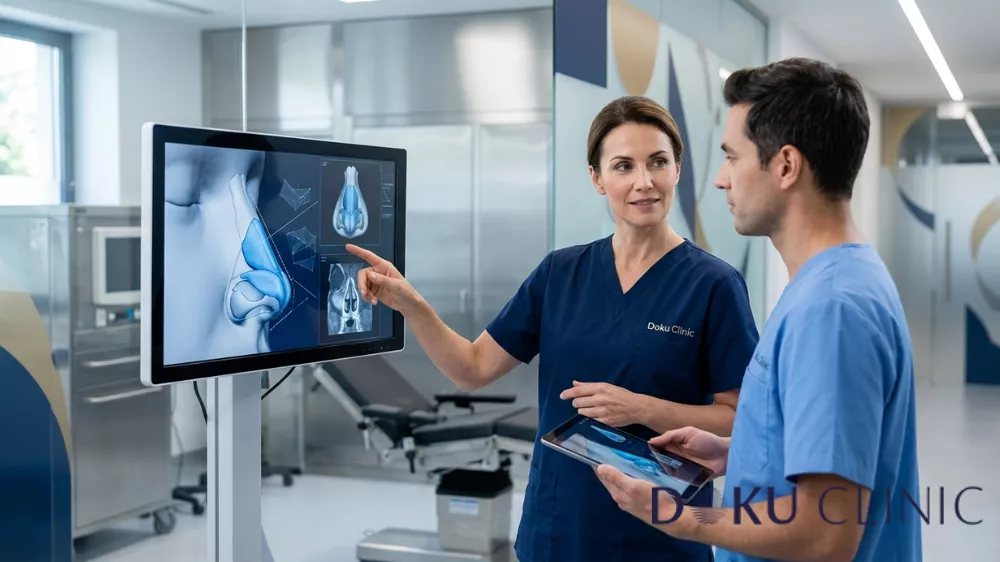
A bulbous nose is one of the most frequent reasons patients seek nasal reshaping. At Doku Clinic, we use diagnostic imaging to map out your facial geometry both outside and within the underlying cartilages. This clear diagnostic ensures that bulbous nose rhinoplasty targets the exact anatomical cause, leading to predictable, natural-looking, long-term results.
Nasal Anatomy: What is a Bulbous Nose?
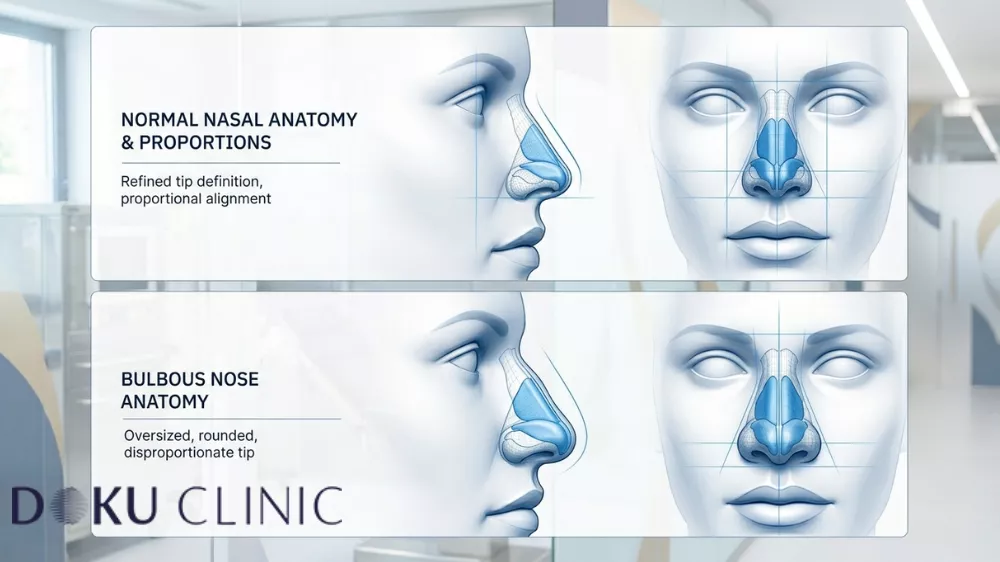
From a medical perspective, a bulbous nose has an oversized, rounded tip that can appear disproportionate to the rest of the face. In facial aesthetics, the nasal tip should balance with the cheekbones, lips, and forehead. A wide nose tip disrupts facial proportions by drawing the eyes’ attention, making the central third of the face appear heavier.
Causes: Thick Nasal Skin vs. Cartilage
Many patients possess strong, well-formed cartilages that are simply masked by a heavy, dense subcutaneous skin layer. Conversely, others suffer from cartilage malposition, where the structural elements flare outward.
Addressing thick nasal skin requires a completely different surgery than manipulating cartilage alone. While cartilage can be trimmed and sutured easily, thick skin does not contract as readily. The surgical team must use grafting techniques to project the tip outward, stretching the thick skin to reveal a more defined contour.
Surgical Techniques for Bulbous Nose Rhinoplasty

At Doku Clinic, our plastic surgeons analyze your nasal septum and lateral walls before making a single incision. This careful approach ensures that your new profile remains stable and aesthetic for decades to come.
Cephalic Trim and Dome Suturing (Cartilage Reshaping)
The main method for narrowing wide cartilage is the cephalic trim. During this step, the surgeon removes a strip from the upper edge of the lower lateral cartilage. This reduction decreases the fullness of the nasal tip without compromising its load-bearing capacity.
Following the trim, non-absorbable sutures are placed through the cartilage to pull the divergent domes closer together. This realignment transforms a broad, flat tip into a sharper, more defined point.
Cartilage Grafts and Structural Support
Patients with weak cartilage require structural reinforcement, too. Plastic surgeons use cartilage grafts, often harvested from the nasal septum or the ear. A septal extension graft is secured to the base of the nose. These grafts act as an internal support system for the tip.
Soft Tissue Management
Operating on patients with thick nasal skin requires deeper medical expertise. Thick skin hides the underlying cartilage, which can result in a rounded appearance even after the cartilage has been reshaped. To counter this, surgeons perform subcutaneous defatting, removing fibrofatty tissue from underneath the skin.
Surgical Process & Recovery Timeline
A bulbous nose rhinoplasty is a delicate procedure, with final changes emerging over several months. At Doku Clinic, our medical team tracks your progress through follow-up appointments. This protects your safety at every step of healing.
Step-by-Step Surgery
On the day of surgery, the procedure is performed under general anesthesia and typically takes between two and three hours. But preparation starts way before the scalpel is set in action.
- Pre-Op Assessment:The journey begins with a detailed assessment and digital mapping of your nose.
- Surgery:Performed under general anesthesia, the surgery takes two to three hours. The team applies internal support structures before closing incisions to ensure structural stability.
- Initial Recovery (Week 1):Focuses on structural protection and early tissue healing. Patients wear a custom external splint to secure the newly repositioned anatomy.
- Splint and Suture Removal:On the seventh day, doctors remove the external splint and sutures at the clinic.
- Return to Routine:Following the one-week appointment, patients can comfortably return to remote work and light social activities.
Post-OP Healing Phase
Managing swelling (edema), is a main focus during recovery. While major swelling typically subsides within the first four weeks, subtle swelling can persist for several months. Patients must follow specific post-operative instructions. Consistent compliance with these guidelines helps the soft tissue adapt smoothly to the new cartilage:
Phase 1: Days 1 – 7
The first week focuses entirely on protecting the newly repositioned cartilage and managing initial tissue trauma. Your nose will be secured with an external cast and internal silicone splints.
- Strict Sleep Position:You must sleep exclusively on your back with your head elevated at a 45-degree angle using a wedge pillow. Maintain this position for 14 days.
- Hygiene Routine:Do not blow your nose under any circumstances. Clean the nostril rims gently twice a day using a cotton swab dipped in hydrogen peroxide, followed by a thin layer of prescribed antibiotic ointment to prevent crusting.
- Internal Moisture:Apply 2–3 sprays of sterile saline solution into each nostril every 4 hours.
- Cold Compression:Apply cold compresses or ice packs wrapped in a clean cloth to your eyes and cheeks for 15 minutes every hour while awake during the first 48 hours.
- Dietary Restrictions:Consume only soft, low-sodium foods that require minimal chewing for the first 5 days.
Phase 2: Weeks 2 – 4
Following the removal of your splint and sutures on day 7, the skin and soft tissues enter a critical remodeling phase.
- Activity Restrictions:You may return to sedentary desk work and light walking.
- Facial Protection:Wash your face gently with a mild, non-abrasive cleanser, avoiding any upward pressure on the nose. Do not take hot showers, enter steam rooms, or use saunas.
- Banned Accessories:Do not wear eyeglasses or sunglasses directly resting on the nasal bridge for 6 weeks.
Phase 3: Months 2 – 6+
Deep tissue healing and final scar maturation continue beneath the surface for up to a year.
- Sun and UV Protection:Apply a broad-spectrum SPF 50 sunscreen daily and wear a wide-brimmed hat when outdoors.
- Impact Avoidance:Eliminate all contact sports, swimming, and activities with a risk of facial impact for a minimum of 12 weeks.
Patient Satisfaction and Long-Term Results
Large-scale medical studies consistently report high patient satisfaction rates for nasal surgeries. When procedures are performed by board-certified specialists, revision rates remain low.
- Primary Patient Satisfaction Rate:Approximately 93.6% report significant improvement in facial symmetry.
- Long-Term Structural Integrity:95% of patients maintain stable nasal tip projection over a five-year period.
- Average Revision Rate:Stays below 5% when treated by experienced rhinoplasty specialists.
Risk Management: Clinical Safety and Potential Complications
Patient safety requires an open, transparent conversation with your doctor. At Doku Clinic, our surgical team utilizes precise mitigation strategies to ensure the best rhinoplasty in Turkey. These reduce the main rhinoplasty risks, which include:
- Temporary bleeding
- Localized infection
- Adverse reaction to anesthesia
- Asymmetries
- Long-term flaws
To control these potential risks, our surgeons maintain strict sterile environments and employ antibiotics and topical treatments, immediately following the procedure.
Mitigating Long-Term Flaws
Long-term issues, such as tip dropping or internal scarring, usually stem from overly aggressive tissue removal. When too much cartilage is cut away, the remaining structure can weaken and collapse over time. This failure can compromise both the shape of the nose and airflow.
- Cartilage Preservation:Surgeons leave a solid structural base to support the nasal sidewalls.
- Proactive Structural Grafting:Internal strut grafts are anchored firmly to resist natural downward
- Controlled Soft Tissue Scarring:Specialized taping and anti-inflammatory management prevent thick tissue buildup.
Cost of Bulbous Nose Rhinoplasty
Bulbous nose rhinoplasty at Doku Clinic in Istanbul costs between $3,500 and $5,500 as a fully inclusive package. In contrast, the same procedure in the US and UK ranges from $7,000 to over $20,000, which often excludes anesthesia, surgical facilities, and aftercare fees.
| Country | Average Price Range (USD) | What is Included? |
| Turkey (Doku Clinic) | $3,500 – $5,500 | Full medical package, luxury stay, VIP transport |
| United Kingdom | $8,500 – $13,000 | Surgeon fees only; hospital and anesthesia extra |
| United States | $9,000 – $16,500 | Separate billing for surgical facility and consultations |
What is Included in the Doku Clinic Package?
To ensure a seamless experience for international patients, our medical packages are completely all-inclusive. From the moment you land in Istanbul, every logistical and medical detail is managed by our teams.
- Pre-Operative Care:Comprehensive blood work, physical examinations, and 3D digital imaging consultations.
- Surgical Fees:Full compensation for the primary plastic surgeons, advanced anesthesia care, and operating suite usage.
- Luxury Accommodation:Premium hotel stays in Istanbul optimized for comfortable, quiet post-operative rest.
- VIP Private Transfers:Dedicated medical transport between the airport, hotel, and surgical facility.
- Post-Operative Support:Detailed follow-up checks, custom splint removals, and all required recovery medications.
Expert Plastic Surgeons in Istanbul
Selecting the right surgical team is the most important decision in the success of bulbous nose surgery. At Doku Clinic, our infrastructure is purpose-built to support complex reconstructive procedures, ensuring every patient receives elite-level clinical care.
Our institution combines advanced medical technology with a patient-centered approach to surgical design. The medical staff is trained in international patient management, providing seamless communication and meticulous care from your initial consultation through to final healing.
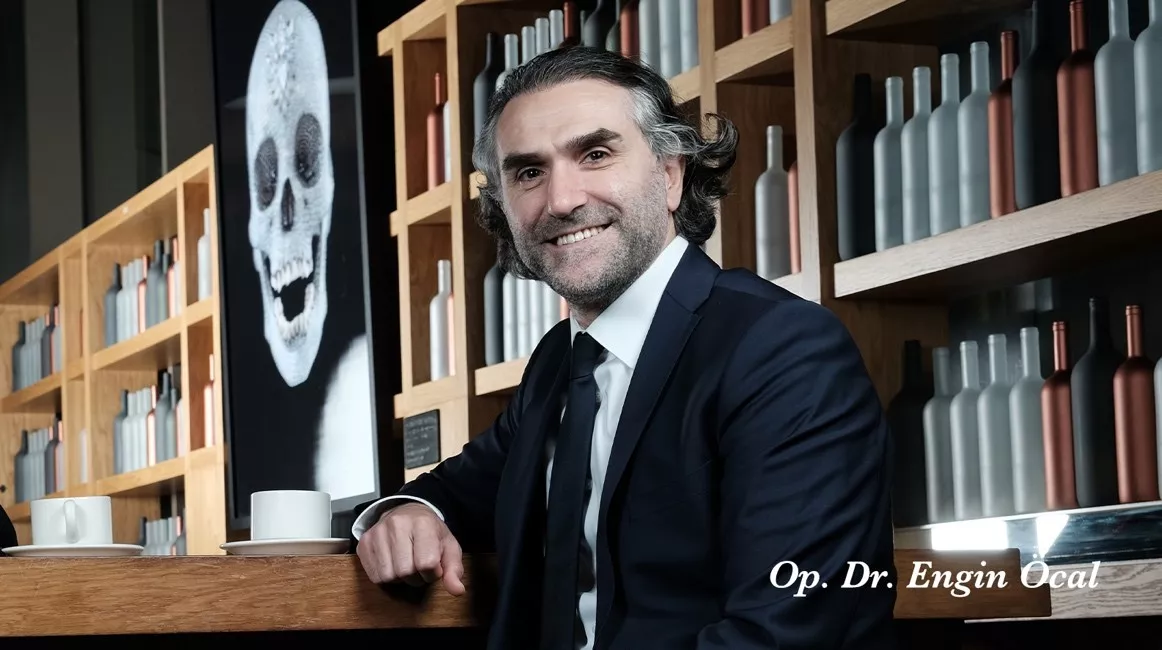
The Role of Dr. Serkan Aygin and Engin Öcal
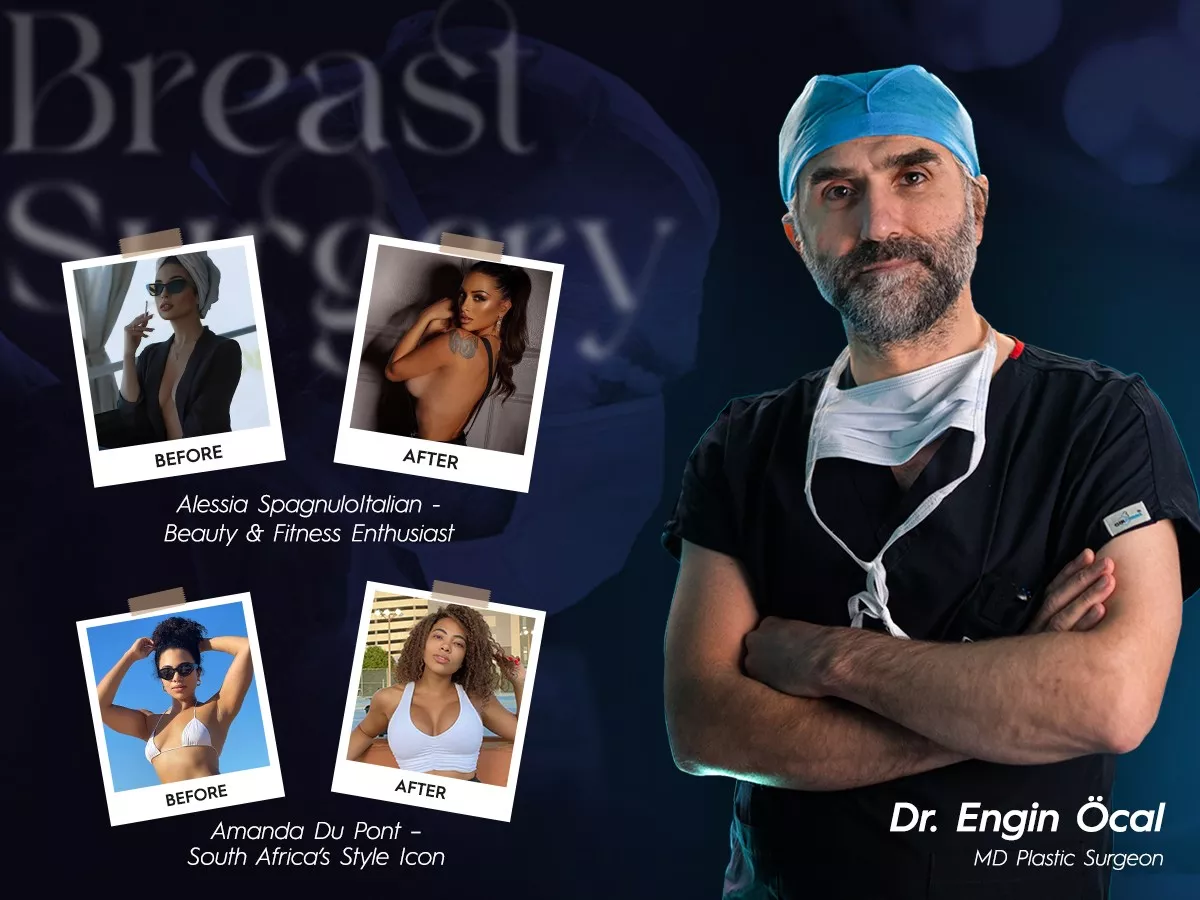
The surgical standards at our clinic are driven by the expertise of our world-renowned medical leaders. Dr. Serkan Aygin and Engin Öcal are world-renowned board-certified experts with extensive experience in complex nasal conditions.
Why Choose Doku Clinic for Your Bulbous Nose Rhinoplasty?
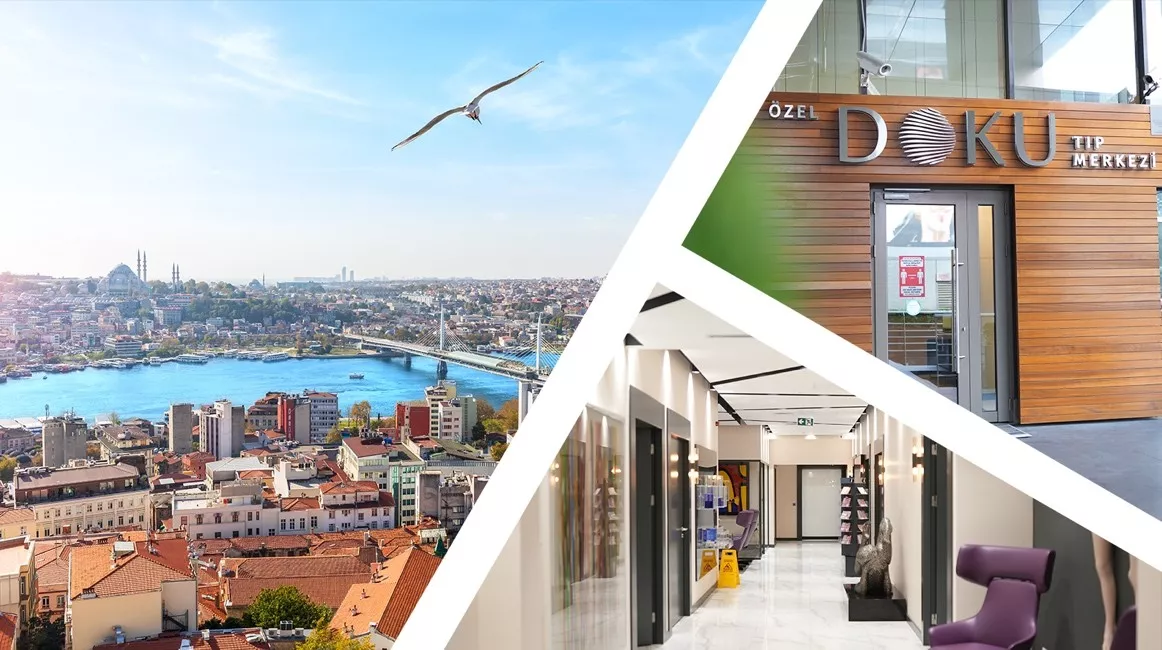
Our clinic stands out as a leading center for medical tourism, combining world-class experts with a state-of-the-art facility. We understand that traveling abroad for surgery requires a high level of trust, which is why we provide a fully transparent, organized experience.
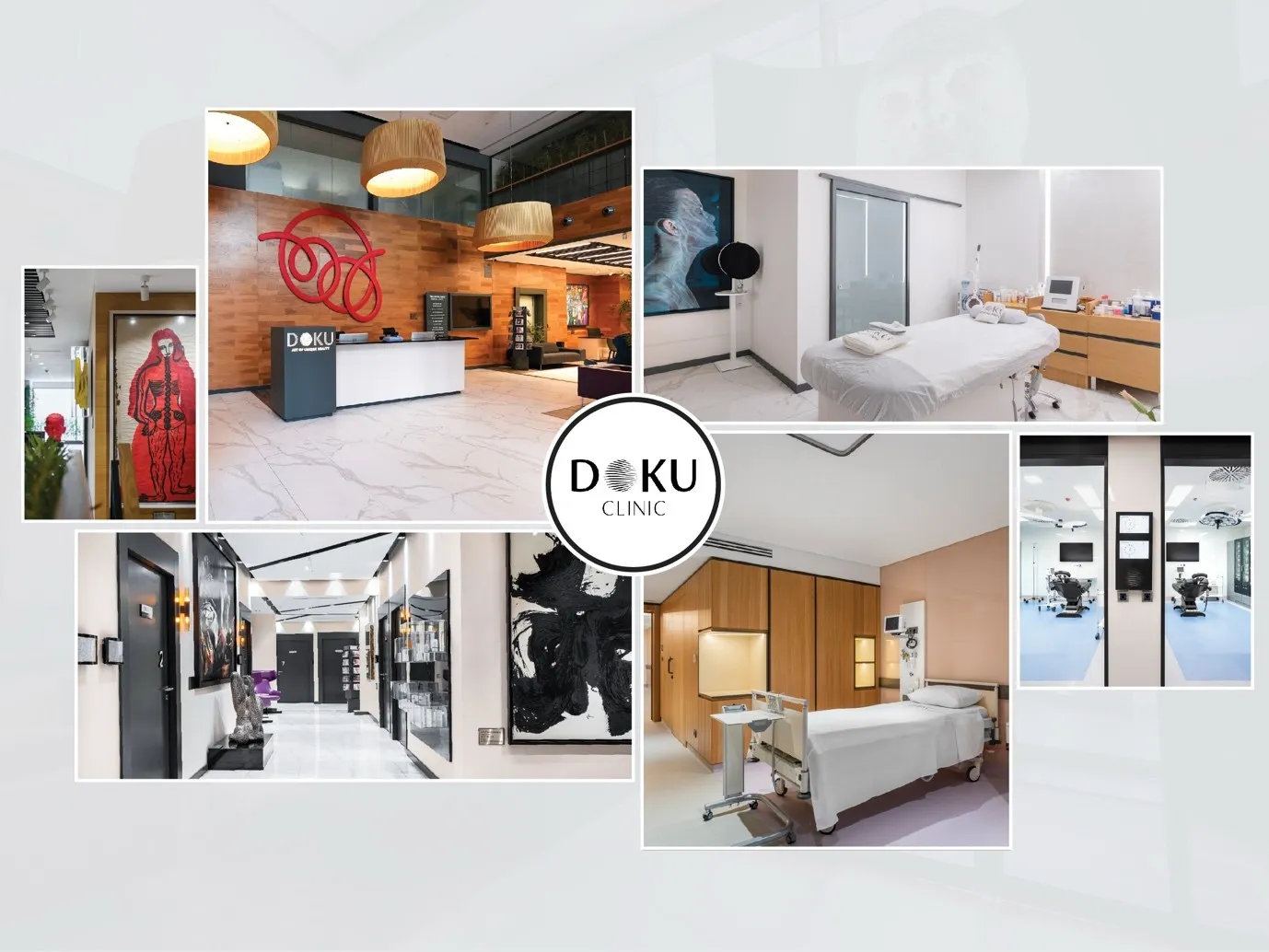
- Ultra-Modern Facilities:Operating theaters equipped with the latest surgical instrumentation and diagnostic imaging technologies.
- Specialized Rhinoplasty Experts:Surgeons who perform hundreds of nasal reconstructions annually, ensuring deep practical experience.
- Comprehensive Safeguards:Strict adherence to international medical safety protocols and comprehensive post-operative tracking.
FAQs
What makes rhinoplasty for a bulbous nose different from a standard rhinoplasty?
A standard rhinoplasty often focuses on reducing a hump or narrowing the entire nasal bridge. In contrast, correction of a wide nasal tip specifically targets the lower lateral cartilages and the overlying soft tissue vault.
Can a bulbous nose be fixed with closed rhinoplasty?
Yes, this procedure can be performed using either an open or a closed approach, depending on your anatomy. The closed approach places all incisions inside the nostrils, leaving zero visible external scarring.
How long does it take for the swelling to completely go away after tip surgery?
The nasal tip naturally retains post-op fluid longer than any other facial structure. While approximately 60% to 70% of major swelling subsides within the first four to six weeks, the final structural definition takes twelve to eighteen months to fully mature.
Will correcting a wide nasal tip affect my breathing?
When performed by qualified board-certified plastic surgeons, the procedure should maintain or improve your breathing. Modern rhinoplasty techniques avoid overly aggressive removal that causes internal nasal valve collapse.
Is the cartilage reshaping permanent?
Yes, the structural changes made during bulbous nose rhinoplasty are completely permanent.
How many days do I need to stay in Istanbul for the procedure?
International patients should plan to stay in Istanbul for a minimum of seven to eight days. This time allows our team to perform your pre-op mapping, execute the procedure, and conduct the essential one-week follow-up appointment.