


How Long Do Breast Implants Last? Doku Clinic Longevity Guide
Publish Date:3 June 2026
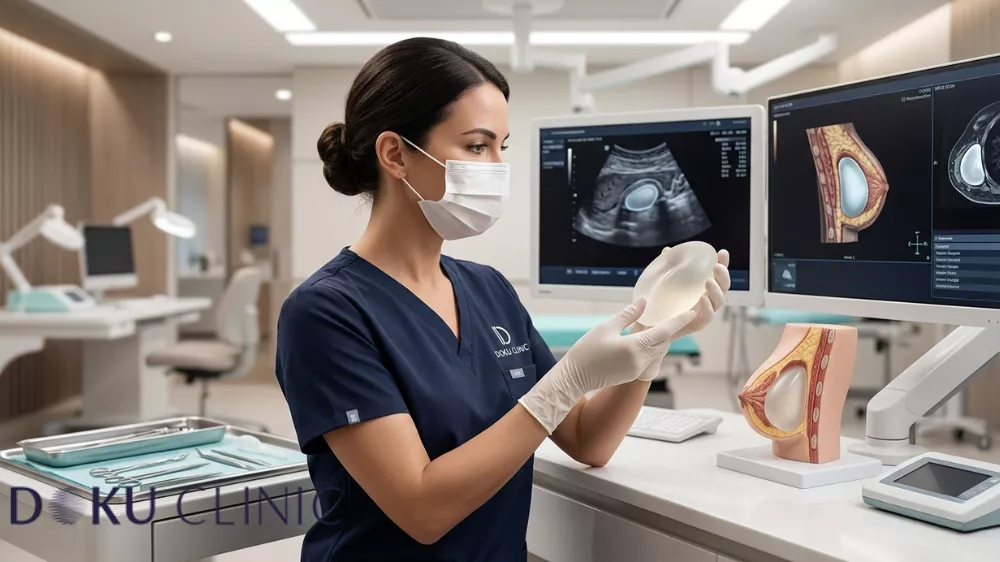
The average lifespan of a breast implant is 10 to 20 years. Breast implants are not lifetime devices. While they are exceptionally durable, they naturally wear and tear inside the body over time. According to the American Society of Plastic Surgeons (ASPS), the likelihood of needing a follow-up procedure increases by roughly 1% per year.
Key Factors Influencing Breast Implant Longevity
While some implants remain intact for decades, others require earlier intervention. The actual lifespan of your breast implants depends on a complex interplay of factors. To help you understand why durability varies from patient to patient, we have broken down the primary causes.
Main Causes for Implant Revision Surgery
The most common reasons for early implant removal stem from the body’s natural response to a foreign object.
- Capsular Contracture:This remains the leading medical reason for premature implant removal or revision surgery. Abnormal immune responses can cause the scar tissue around the implant to tighten, compress the implant, and cause firmness, discomfort, or distortion.
- Implant Displacement and Malposition:Over time, gravity or inadequate tissue support can cause the implant to shift.
- Late-Onset Seroma or Hematoma:Fluid accumulation around the device years after surgery can cause sudden swelling, asymmetry, or localized inflammation.
- Tissue Thinning and Atrophy:Continual pressure from a heavy implant can gradually diminish native breast tissue thickness, making the edges of the device more palpable or visible over time.
Lifestyle and Physiological Factors
Not all revisions are caused by medical complications. The natural evolution of a patient’s body directly alters how an implant looks and sits on the chest wall.
- Weight Fluctuations:Gaining or losing substantial weight alters the envelope of native fat and breast tissue covering the device, frequently leading to sagging, loss of cleavage fullness, or visible implant borders.
- Pregnancy and Breastfeeding:Hormonal surges during and after pregnancy cause natural breast tissue to expand and contract. This process can permanently stretch the overlying skin, leaving the implants looking deflated or out of place once postpartum changes settle.
- Natural Tissue Aging:The gradual loss of systemic collagen and skin elasticity affects everyone over a decade or more. As the skin envelope stretches, implants naturally drop lower, which may lead patients to request a breast lift paired with a revision.
- Mechanical Wear:Intense, repetitive physical stress or high-impact athletic training can subject the implant shell to cumulative friction against the chest wall, subtly accelerating structural wear.
Silicone vs Saline Implants: Which Lasts Longer?
Fifth-generation silicone models provide better integrity over time. Saline breast implants are filled with sterile saltwater and are instantly noticeable if a tear occurs. In contrast, “gummy bear” silicone gel implants retain their shape even if the outer shell compromises.
To help you evaluate, our medical team at Doku Clinic has compiled this comparative baseline:
| Cohesive Silicone Gel Implants | Saline-Filled Breast Implants | |
| Average Lifespan | 10 to 20+ Years | 10 to 15 Years |
| Rupture Deflation Speed | Silent Rupture (Slow, hidden leaking) | Instant Deflation (Flattens within days) |
| Capsular Contracture Risk | Low to Moderate | Slightly Lower |
| Tactile Consistency | Mimics natural breast tissue closely | Firmer, prone to visible rippling |
| Primary Monitoring Method | Regular MRI or High-Resolution Ultrasound | Routine visual and physical inspection |
Signs of Breast Implant Aging or Rupture
For saline varieties, tracking changes is straightforward because a leak causes the breast to lose its volume and shape over a few days. For silicone breast implants, the process is more tricky because the gel stays inside the surrounding scar tissue.
This effect, known as silent rupture is identified with an MRI or high-resolution ultrasound. However, you should schedule an evaluation at Doku Clinic if you notice any of these changes:
- Unusual Firmness:The breast tissue feels notably harder or tighter than usual.
- Asymmetry:A sudden or progressive change in the shape, contour, or position of one breast.
- Persistent Discomfort:New tenderness, burning sensations, or localized pain around the implant area.
- Visible Rippling:Wrinkling of the skin covering the implant, which often points to a loss of internal shell pressure.
Breast Implant Revision: What to Expect
Once break, leakage or a defect is confirmed, revision surgery is the next step. The complete breast implant revision surgery unfolds across the following steps:
Pre-Op Assessment
Before entering the operating room, our medical team maps out your internal anatomy and breast tissue.
- Diagnostic Imaging:High-resolution ultrasound or targeted MRI scans are performed to assess the integrity of the current shell and detect any hidden silent rupture or fluid collections.
- Tissue Evaluation: Engin Öcal thoroughly examines your skin elasticity, native breast tissue volume, and the severity of any existing capsular contracture.
- Surgical Strategy:Your surgeon determines the precise incision entry point, choice of fifth-generation cohesive gel replacement sizes, and whether internal pocket reconstruction is necessary.
- Systemic Health Clearance:Complete blood panels, cardiovascular evaluations, and anesthesia tolerance screenings are finalized 24 to 48 hours prior to the procedure.
The Surgery Step by Step
Once the pre-op plan is established, the corrective surgery is performed under general anesthesia inside.
- Anesthesia and Incision: General anesthesia is safely administered by our certified clinical staff. The surgeon then creates precise incisions, prioritizing your existing scars under the breast fold (inframammary) or around the nipple (periareolar) to avoid any new scarring.
- Old Implant Removal: The surgeon carefully dissects down to the original surgical pocket. The old, compromised, or aged breast implant shell is carefully extracted, ensuring all fluid or old silicone fragments are cleanly removed.
- Capsular Management and Tissue Correction: If you suffer from severe capsular contracture, we remove the hardened scar tissue. The internal pocket is then washed with antibacterial solutions and reshaped or reinforced with sutures.
- Insertion of New Implants: Engin Öcalplaces the new silicone gel implants. They are perfectly centered within the new pocket to ensure natural symmetry and contour.
- Layered Closure and Surgical Dressing: The incisions are closed using dissolvable sutures. Sterile adhesives and compression bandages are applied to minimize swelling and secure the implant in its position.
Breast Implant Revision Surgery at Doku Clinic
Doku Clinic Istanbul stands at the forefront of international plastic surgery. Our clinic’s reputation is driven by Dr. Serkan Aygin and Dr. Engin Öcal. With decades of combined experience, they utilize the latest fifth-generation cohesive gel implants to minimize long-term complications like capsular contracture.
From your initial assessment through your long-term follow-ups, our doctors provide precise, highly personalized care to ensure your health and aesthetic results remain pristine.
FAQs
Do breast implants really have to be replaced every 10 years?
No, there is no automatic rule that requires replacement exactly at the 10-year mark. While many implants last 15 to 20 years without issues, the 10-year timeline serves as a recommended benchmark for increased clinical monitoring and routine imaging.
What happens if you never change your breast implants?
If the implants remain intact, cause no pain, and show no signs of capsular contracture or rupture on an ultrasound or MRI, they do not need to be removed. However, leaving old implants unmonitored increases the cumulative risk of silent silicone leaks or localized tissue inflammation over time.
How much does breast implant revision surgery cost at Doku Clinic?
The cost varies based on whether you need a simple implant exchange or a complex capsulectomy to remove hardened scar tissue. Doku Clinic Istanbul offers comprehensive, all-inclusive packages that cover your surgical fees, luxury accommodation, and medical transfers at a fraction of Western European or US prices.
Can a mammogram cause a breast implant to rupture?
It is extremely rare for the pressure of a standard mammogram to rupture a modern implant. You must inform your radiology technician about your implants beforehand so they can utilize specialized implant-displacement views to capture accurate breast tissue images safely.
How do Dr. Serkan Aygin and Dr. Engin Öcal diagnose a silent rupture?
Our specialists use advanced diagnostic tools, primarily high-resolution ultrasound and targeted MRI scans. These imaging technologies allow our doctors to look directly through the layers of tissue and confirm if the cohesive silicone gel has breached the elastomer outer shell.