


Best Facelift Surgeons Turkey: 7 Critical Factors to Choose | Doku Clinic
Publish Date:23 March 2026
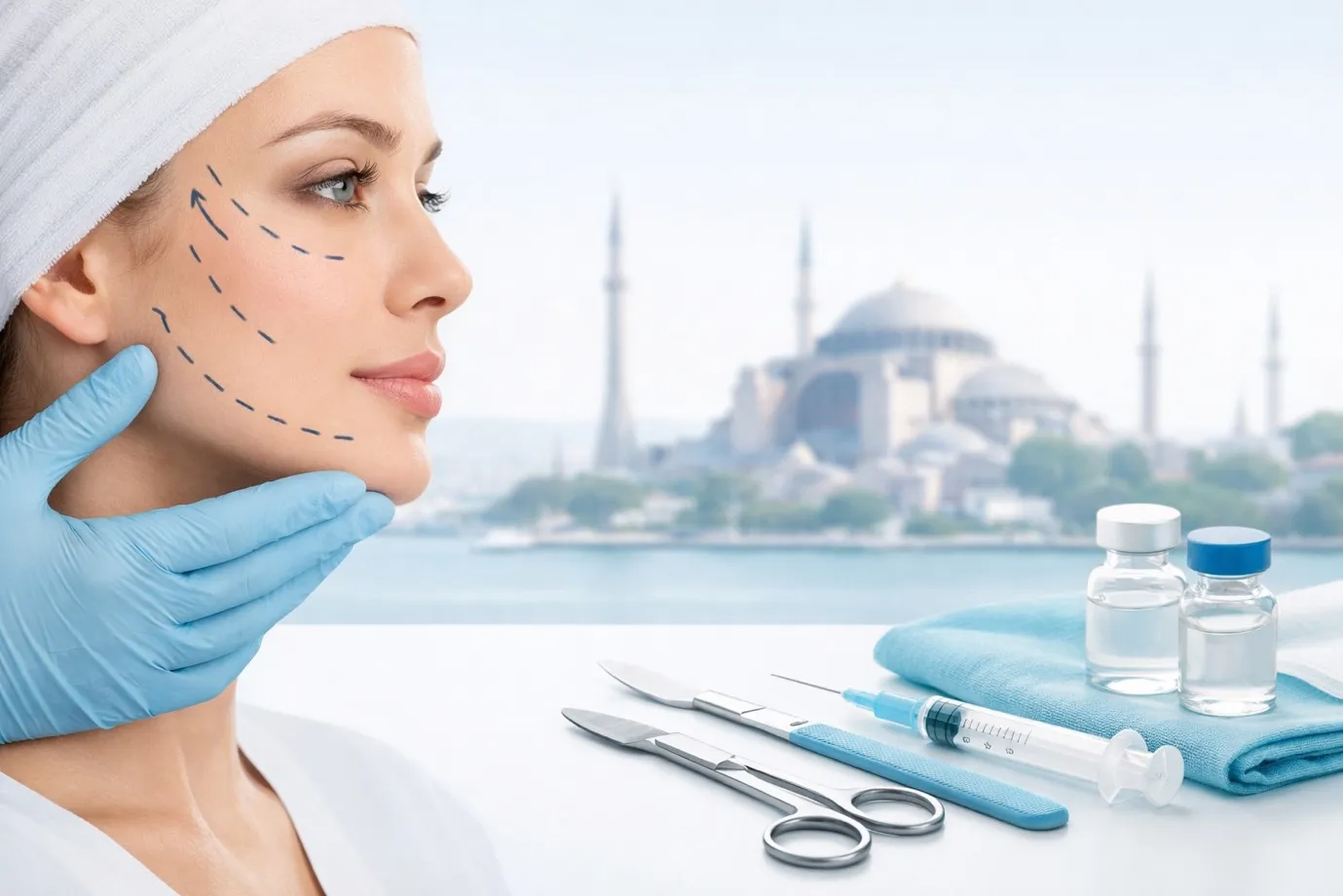
Selecting the best facelift surgeon in Turkey is the single most important choice for the procedure. As Turkey hosts world-renowned plastic surgergeons, the number of options can be overwhelming for international patients. To ensure a safe journey and the best results, you must look at surgical precision, and documented patient safety.
Finding a top plastic surgeon in Turkey requires verifying credentials and analyzing before and after pictures. This guide provides an objective framework to help you navigate the landscape, ensuring your choice is based on transparency and expertise.
Essential Credentials to Look For in a Top Plastic Surgeon Turkey
Thefoundation of a successful procedure is the surgeon’s formal education. When searching for a facelift specialist in Turkey, verify their registration with the Turkish Ministry of Health and the Turkish Medical Association (TTB).
Beyond local registration, the best facelift doctor in Istanbul will often hold memberships in prestigious international bodies. Look for affiliations with the International Society of Aesthetic Plastic Surgery (ISAPS) or the American Society of Plastic Surgeons (ASPS). These memberships indicate that the surgeon stays updated with global advancements and follows rigorous safety protocols.
Board Certifications and Medical Licenses
A top plastic surgeon in Turkey must be board-certified in Plastic, Reconstructive, and Aesthetic Surgery. This certification is only awarded after years of specialized residency and passing comprehensive examinations.
International Training and Global Standards
Many of the best facelift surgeons in Turkey have spent time training in Europe or the United States. This international exposure familiarizes the surgeon with diverse facial structures and the latest global trends in facial rejuvenation. Surgeons who attend international symposiums are more likely to utilize advanced, less invasive techniques.
Specialized Fellowship Programs in Facial Rejuvenation
General plastic surgery covers the entire body, but a true facelift specialist in Turkey often pursues additional fellowships specifically in craniofacial or aesthetic facial surgery. These programs provide intensive, focused training on deep-plane techniques and SMAS manipulation, which are essential for long-lasting, natural results.
Evaluating Surgeon Experience
A surgeon who divides their time between breast augmentations, liposuction, and rhinoplasty may not have the same specialized finesse as one who focuses primarily on the face. Facial anatomy is incredibly intricate, involving delicate nerve branches and vascular networks that require a seasoned hand. Experience in this field translates directly to lower complication rates and more refined results.
Years in Practice and Clinical Tenure
A facelift specialist in Turkey with over 10–15 years of experience has likely managed a wide variety of facial structures and, crucially, has seen how their surgical techniques hold up over a decade or more. This long-term clinical data is vital for ensuring your results remain stable as you continue to age.
Specific Facelift Specialization and Techniques
The best facelift doctor in Istanbul should be proficient in modern techniques such as the Deep Plane Facelift or high-SMAS plication. These advanced methods reposition the underlying muscle and fat pads.
- Deep Plane Facelift:Best for mid-face sagging and severe jowls.
- SMAS Lift:Standard for correcting the lower third of the face and jawline.
- Mini-Facelift:Ideal for younger patients with early signs of laxity.
Number of Successful Procedures Performed Annually
Research suggests that surgeons who perform at least 50 to 100 facelift procedures per year maintain a higher level of muscle memory and are better equipped to handle anatomical variations. Below is a comparison of what to look for regarding surgical volume:
| Metric | Industry Standard | High-Expertise Level |
| Annual Facelifts | 20 – 30 procedures | 70+ procedures |
| Specialization Ratio | 20% of total practice | 60% or more dedicated to the face |
| Success Rate | 95% satisfaction | >98% satisfaction with minimal revisions |
Reviewing Surgeon Portfolios
While technical skill ensures safety, the artistic eye of the best facelift surgeon in Turkey ensures beauty. By reviewing a surgeon’s previous work, you can determine if their signature look aligns with your personal goals.
Focus on high-resolution, unedited photos. Professional clinics in Istanbul often provide 360-degree views or video testimonials to show how the face moves during speech and expression.
Analyzing the Before and After Gallery
Your surgeon’s gallery should feature patients of various ages, ethnicities, and facial structures. The best facelift doctor in Istanbul will demonstrate their ability to tailor the procedure to the individual. Pay close attention to the mid-face area and the jawline: these are the most challenging zones to rejuvenate naturally.
Seeking Consistency in Surgical Results
Look for a pattern of success across dozens of cases. If a facelift specialist in Turkey only shows three or four perfect results, it may not represent their average outcome. You want to see a steady track record of crisp jawlines, smooth neck contours, and refreshed eyes across their entire body of work.
Identifying Natural-Looking Outcomes and Scar Placement
The hallmark of a superior facelift is that it remains invisible to the untrained eye. Examine the ear area and the hairline in photos. The best facelift surgeon in Turkey uses suturing techniques to ensure that scars are hidden within the natural creases of the ear or behind the hairline.
Patient Reviews and Testimonials
For a top plastic surgeon in Turkey, reviews should go beyond the surgical result to include the entire patient journey. High-quality care in Turkey often includes “all-inclusive” experiences, and testimonials will reflect how well the clinic manages international logistics.
According to 2026 medical tourism data, Turkey maintains one of the highest patient satisfaction rates globally for facial surgery, often exceeding 97% in JCI-accredited facilities. This is largely due to the high volume of international patients, which has forced Turkish clinics to perfect their communication, aftercare, and hospitality standards.
Evaluating International Patient Feedback and Logistics
The best facelift doctor in Istanbul will have a significant volume of reviews from patients in the UK, USA, Germany, and the Middle East. Look for specific mentions of the English-speaking staff, the quality of the recovery hotel, and the efficiency of airport transfers. A smooth logistical experience reduces stress, which is scientifically proven to improve surgical recovery times.
Transparency in Complication Management and Aftercare
No surgery is 100% risk-free. A facelift specialist in Turkey who is truly professional will be transparent about how they handle complications. Look for reviews that mention follow-up care or how the clinic responded when a patient had a concern during the healing phase.
Red Flags to Avoid
While Turkey is home to world-class medical facilities, the popularity of the region has also attracted “low-cost” clinics that prioritize volume over patient safety. You must be able to distinguish between a legitimate medical center and a “surgical factory.”
According to 2026 medical quality reports, clinics that offer prices significantly below the national average of $4,500 – $6,500 often cut corners on anesthesia staff, sterile equipment, or the quality of the surgical facility. Protecting your health should always be priorized over lesser price tags.
Unrealistic Promises and “Miracle” Results
Be wary of any facelift specialist in Turkey who promises you will look 20 years younger or that the procedure is risk-free. Surgery is a biological process with inherent limitations. The best facelift doctor in Istanbul will provide a realistic assessment.
High-Pressure Sales Tactics and Artificial Urgency
Legitimate medical professionals encourage patients to take their time with such a significant decision. If a clinic uses limited-time offers or pressures you to deposit money immediately to secure a discounted rate, this is a major red flag. A top plastic surgeon in Turkey relies on their reputation and surgical results to attract patients, not aggressive marketing gimmicks.
Critical Questions to Ask During Your Consultation
The consultation—whether in-person or via video—is your opportunity to vet the best facelift doctor in Istanbul. Use this time to move beyond the aesthetic goals and delve into the clinical protocols.
- Where will the surgery be performed?Ensure it is a JCI-accredited or Ministry of Health-certified hospital, not a private office suite.
- Which technique do you recommend for my specific facial structure?A facelift specialist in Turkey should explain why they choose Deep Plane over SMAS for your case.
- What is your specific protocol for emergency management?Ask about their 24-hour medical support and ICU access if needed.
- What is your revision policy?If a minor correction is needed, how does the clinic handle the costs and logistics?
FAQs
How long does a facelift in Turkey typically last?
Depending on the technique, a high-quality facelift lasts between 8 to 15 years. Deep Plane facelifts offer the longest durability (up to 15 years) because they reposition the muscle structure rather than just stretching the skin.
Is it safe to have a facelift in Turkey?
Yes, provided you choose a top plastic surgeon in Turkey who operates in an accredited hospital. Turkey’s private healthcare sector adheres to strict international safety standards, with over 50 JCI-accredited facilities as of 2026.
What is the average cost of an all-inclusive facelift package?
In 2026, all-inclusive packages (surgery, 5-star hotel,VIP transfers, and medications) typically range from $4,500 to $7,600. This represents a 60–70% saving compared to the US or UK without a reduction in medical quality.
How long must I stay in Turkey after my surgery?
Most facelift specialists in Turkey require a stay of 7 to 10 days.This allows for the initial healing phase, the removal of sutures (usually around day 7), and a final post-operative check-up before you are cleared to fly.
When can I return to work and social activities?
While visible bruising subsides significantly by day 10–14, most patients feel “socially ready” after 3 weeks. Complete internal healing and the final settling of the tissues can take 3 to 6 months.