


Anchor Breast Lift
Last Update:13 July 2026
Medically Reviewed by Dr. Engin Öcal (MD), board-certified plastic surgeon at Doku Clinic.
When the nipple drops below the inframammary fold, a comprehensive surgical intervention becomes necessary. For patients presenting with grade 3 ptosis (breast sagginess), the anchor breast lift remains the most sound surgical intervention. Backed by Doku Clinic experts like Dr. Serkan Aygin and Dr. Engin Öcal, this article provides a look at the procedure’s benefits, techniques, healing, and patient results.
What is an Anchor Breast Lift?
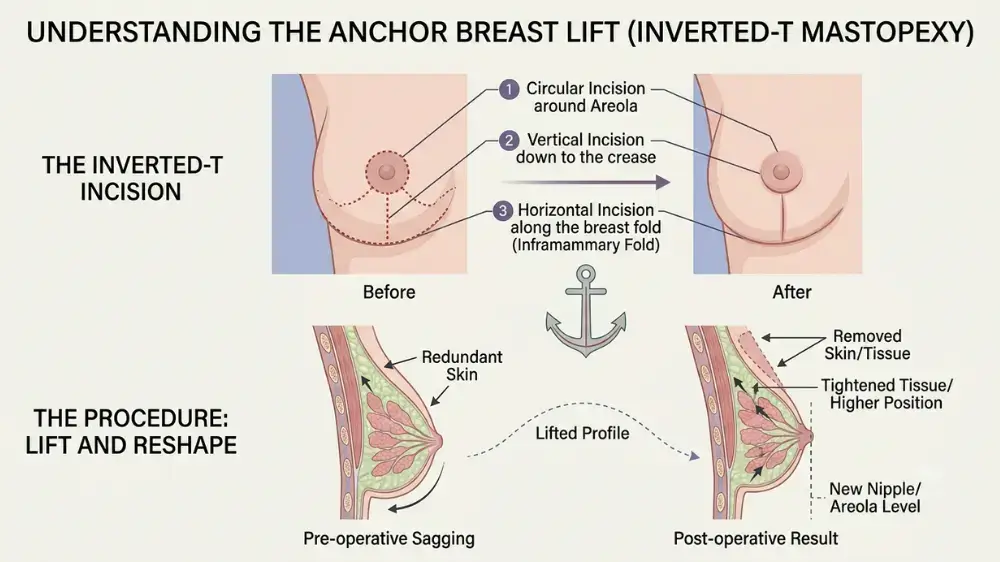
An anchor breast lift is a type of breast plastic surgery designed to lift, reshape, and firm up heavily sagging breasts. Our plastic surgeons remove the extra, stretched-out skin while gathering the remaining tissue into a much tighter, rounder, and higher position. The key element of the procedure is the inverted-T (anchor) incision, allowing for clear, in-depth manipulation of the underlaying tissue.
The Inverted-T Incision
The inverted-T incision characteristic of anchor mastopexy consists of three clean parts. While this means you will have more surgical lines than a smaller lift, it gives the surgeon the absolute best control over your final shape.
- A circular line is made right around the dark edge of your areola.
- A straight vertical line runs down from the bottom of your areola to the crease under your breast.
- A horizontal line is hidden perfectly inside the natural fold beneath your breast.
Who is the Ideal Candidate for an Anchor Breast Lift?
Candidacy for mastopexy surgery depends on your anatomy and personal goals. The anchor breast lift is designed for women who experience advanced breast ptosis (sagginess). If your breasts feel heavy, flat at the top, or stretch downward excessively, this procedure offers a permanent structural reset.
During a clinical evaluation at Doku Clinic, specialists look at:
- Advanced Breast Ptosis (Grade 3)
- Skin Laxity
- BMI & Weight Stability
- Healing Capacity
- Parenchymal Volume
The Three Degrees of Breast Sagging (Ptosis)
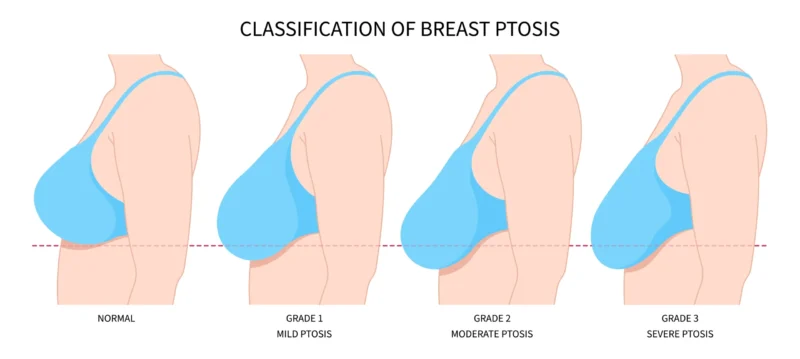
Plastic surgeons use a standard medical scale called the Regnault ptosis scale to measure the severity of breast sagging. According to your specific grade, our team choose the most effective approach for your body.
The three main levels of sagging include:
- Grade 1 (Mild): The nipple sits right at the level of the under-breast crease.
- Grade 2 (Moderate): The nipple drops below the crease but still points forward.
- Grade 3 (Severe): The nipple falls well below the crease and points directly toward the floor.
Comparing the Anchor Lift vs Other Breast Lift Techniques
Different breast lift methods use different incisions depending on how much your skin has stretched. If a surgeon uses a technique that is too mild for your sagging, your results may fade quickly. To help you understand your choices, Doku Clinic compares the most common surgical options.
| Lift Technique | Incision | Best Suited For | Skin Removal Capacity |
| Donut Lift | Around the areola only | Mild sagging (Grade 1 ptosis) | Very limited skin removal |
| Lollipop Lift | Around the areola and a vertical line | Moderate sagging (Grade 2 ptosis) | Moderate vertical tightening |
| Anchor Lift | Around areola, vertical line, and breast crease | Severe sagging (Grade 3 ptosis) | Maximum vertical and horizontal tightening |
Anchor Lift vs. Lollipop Lift
The lollipop lift uses a circular line around the areola and a single vertical line running down to the breast crease. It works very well for moderate sagging because it reshapes the central part of the breast mound nicely. It is a popular choice among patients because it leaves fewer surgical lines.
However, the anchor breast lift adds a third incision line directly along the lower breast fold. This extra horizontal line gives the surgeon the ability to pull in loose skin from the sides of the breast. If you have extra skin stretching out toward your underarms, the anchor method creates a smooth, tight contour.
Why Less Invasive Lifts Are Not Enough for Severe Sagging
When patients with severe breast sagging try to get a less invasive lift, the remaining skin is put under too much pressure. This high tension can cause your surgical lines to stretch out and become wider during healing. It can also lead to a poor shape because the limited incisions cannot hold the heavy tissue up properly.
Breast Lift Surgery at Doku Clinic
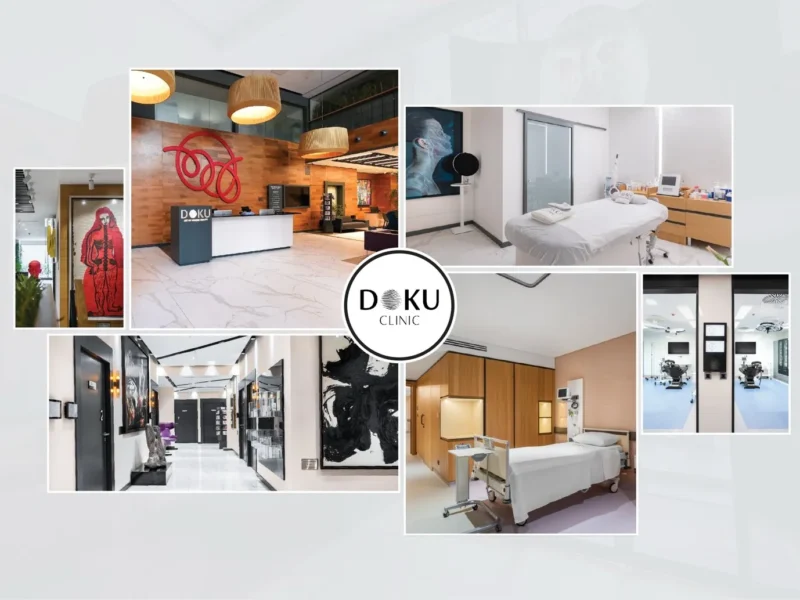
Doku Clinic
At Doku Clinic in Istanbul, we treat your procedure with the highest medical standards and care. From your first physical consultation to your final check-up, our dedicated team is here to support you at every stage.
How to Prepare for Your Surgery
Proper preparation protects your health and sets the stage for a swift recovery. Prior to your anchor breast lift, our board-certified plastic surgeons, including Dr. Engin Öcal, will confirm you are ready and safe for the operation.
Required Pre-Op Tests:
- Comprehensive laboratory blood panels.
- Detailed physical health evaluations.
- In-person clinical measurements.
Strict Guidelines (Start 2 Weeks Before Surgery):
- Stop Smoking Completely: No smoking or vaping, as nicotine restricts blood flow and seriously impairs wound healing.
- Zero Alcohol: Alcohol alters fluid balance and can interfere with your safe recovery.
- Avoid Blood-Thinning Medications: Stop taking aspirin, anti-inflammatory drugs, and specific herbal supplements to minimize bleeding risks.
Step-by-Step inside the Operating Room
The inverted-T mastopexy is performed under general anesthesia, with surgery usually lasting 1.5 to 3 hours. While all plastic surgeons have their own techniques, protocols and preferences, surgery usually unfolds in 5 steps:
- Anesthesia: You receive safe general anesthesia to ensure you remain completely comfortable and sleep pain-free.
- Symmetry Mapping: While you are standing, the surgeon draws precise anatomical markings on your skin to plan for optimal balance.
- Tissue Reshaping: The surgeon follows the anchor guide lines to remove loose skin and structurally lift the sagging internal breast tissue.
- Nipple Relocation: The nipple-areola complex is gently moved higher up on the breast mound while keeping its natural blood vessels and nerves fully intact.
- Multi-Layered Closure: The deep tissues and surface skin are closed using a meticulous multi-layered method. This prevents skin tension and ensures thin, flat surgical lines.
Anchor Breast Lift Recovery & Post-OP Healing
Healing from an anchor breast lift requires patience and proper self-care. Your body needs time to adjust to its new contours, and following guidelines is the best way to ensure a beautiful result.
At Doku Clinic, we provide each patient with a detailed recovery plan to make the process as smooth as possible. Below, we show the guideline for the average healing process.
The First Few Days
During the first 24 to 72 hours after your inverted-T mastopexy, you will experience mild to moderate swelling, bruising, and general soreness. This is completely normal and part of the healing process.
You must wear a medical compression bra to support your new breast shape. Your surgical team will prescribe safe pain medications to keep you comfortable and relaxed during these initial days.
Weeks 2 to 6
By the second week, most patients see a significant drop in discomfort and feel ready to return to non-physical desk jobs. Any external stitches are usually checked and carefully removed by your doctor during this time frame.
Between weeks 4 and 6, you can gradually reintroduce light physical activities like walking. However, it is vital to avoid heavy lifting, strenuous chest workouts, or reaching over your head to prevent placing unwanted stress on your healing incisions.
Months 6 to 12
Over the next few months, your breasts will begin to drop and fluff, settling into their permanent, natural position. The residual internal swelling will fade completely, revealing a much firmer and beautifully lifted appearance.
By the one-year mark, your surgical lines will mature, fading from pink to a soft, faint skin tone. Following the long-term care advice from expert specialists like Dr. Engin Öcal ensures your final results stay stunning and youthful for years to come.
Minimizing and Fading Anchor Breast Lift Scars
The anchor breast lift requires more incisions than smaller lifts, yes; but these marks fade beautifully with the right care. Our expert surgeons, including Dr. Engin Öcal, recommend using medical-grade silicone sheets and gels to keep the tissue hydrated. Additionally, you must protect the healing skin from direct sunlight for 12 months using high-SPF sunscreen. Gently massaging the area also helps break up hard tissue, keeping the skin smooth and flexible.
Is the Anchor Breast Lift Safe? Risks and Potential Complications
When considering an anchor breast lift, it is key to understand that safety is almost guaranteed when performed by a board-certified plastic surgeon in an accredited hospital facility. Thousands of women undergo this procedure every year with excellent, predictable outcomes.
This being said, surgeries always carry risks, and this is no exception. At Doku Clinic, your health and security remain our top priority throughout your entire treatment.
Common Side Effects and Complications
Like any major surgical procedure, an anchor breast lift comes with certain temporary side effects. In the first few weeks, patients typically experience swelling, bruising, and minor discomfort around the incision lines. These are completely normal.
While severe complications are uncommon, global clinical data highlights the following statistics regarding potential surgical complications:
- Minor Asymmetry: Slight differences in shape or size between the breasts can happen in about 3% of standard cases.
- Hematoma: A small buildup of blood or fluid under the skin occurs in roughly 2% to 4% of surgical cohorts globally.
- Sensation Changes: Temporary numbness in the nipple-areola complex is common but usually fades over a few months as the nerves recover.
How Our Medical Team Maximizes Patient Safety
Minimizing these risks requires clinical precision and an advanced hospital environment. The medical team at Doku Clinic draws upon the expertise of Dr. Serkan Aygin and Dr. Engin Öcal, utilizing the highest safety protocols to protect your health.
We use multi-layered closing technique to reduce tension on your outer skin, significantly lowering the risk of wound issues. Furthermore, rigorous pre-operative testing and post-op care ensure that your recovery goes exactly as planned.
Why Choose Doku Clinic for Plastic Surgery
We understand that traveling abroad for a medical procedure requires deep trust. That is why Doku Clinic focuses on clear, transparent communication and personalized care plans tailored to your anatomy.
Our facility combines world-class hospitality with cutting-edge medical technology to give international patients a safe and stress-free experience. From the moment you arrive, our dedicated team ensures your comfort, privacy, and well-being are prioritized throughout your surgical journey.
Exceptional Care and Medical Expertise
The medical standards at Doku Clinic are shaped by the incredible expertise of industry leaders like Dr. Serkan Aygin and Dr. Engin Öcal. Their extensive experience ensures that complex procedures like the anchor breast lift are performed with absolute precision and artistic care. Our board-certified plastic surgeons combine advanced surgical methods with a deep understanding of natural body proportions to deliver beautiful, life-changing results.
Our medical team follows strict international healthcare regulations to ensure patient safety at every turn. We continually update our clinical approaches based on the latest scientific research in plastic surgery. This dedication to medical excellence is why thousands of women from across the globe trust our team to perform their inverted-T mastopexy safely and effectively.
Breast Lift Packages and Costs
One of the greatest advantages of choosing Doku Clinic is our transparent, comprehensive all-inclusive treatment packages. We take care of all the logistics so you can focus entirely on your healing process. These packages generally include your detailed surgical fees, general anesthesia, all necessary medical garments, luxury hotel accommodation, and private VIP transfers between the airport, hotel, and clinic.
Getting an anchor breast lift in Istanbul is highly cost-effective compared to Western Europe or North America, without sacrificing medical quality. Lower operational costs in Turkey allow us to offer world-class medical treatment and premium patient care at much more accessible prices. Our team provides clear, upfront pricing with absolutely no hidden fees, giving you complete peace of mind.
FAQs
Will an anchor breast lift change my bra cup size?
No, a breast lift alone does not change your cup size. It only repositions your existing tissue higher. To alter your actual volume, you must combine the mastopexy with implants to increase size or a tissue reduction to decrease weight.
What is the main difference between an anchor lift and a lollipop lift?
The anchor lift adds a horizontal incision along the under-breast crease. This extra incision allows for maximum skin removal. While a lollipop lift corrects moderate sagging, the anchor technique is medically necessary to fix severe sagging and significant skin laxity.
How long do the results of an inverted-T mastopexy last?
The structural changes are permanent, though your body will continue to age naturally. Your newly lifted shape will last for many years. You can protect these results by maintaining a stable weight and consistently wearing a supportive, high-quality bra.
Can I safely breastfeed after an anchor breast lift?
Yes, most women can breastfeed successfully after this procedure. The surgical technique keeps the nipple attached to its underlying tissue. This crucial step preserves the vital milk ducts, blood vessels, and nerve pathways necessary for normal lactation.
When is it safe to sleep on my stomach or side again?
You must sleep strictly on your back for four to six weeks post-surgery. This restricted position prevents dangerous pressure on your healing internal tissues. It also avoids placing unwanted structural tension on your delicate, maturing surgical lines.
How visible will the scars be after an anchor breast lift?
The incisions fade significantly over 12 months into thin, faint lines. While the anchor pattern is more extensive, proactive scar care—such as using medical-grade silicone sheets, gentle tissue massage, and strict daily UV sun protection—ensures optimal, discreet healing.
Can an anchor breast lift be combined with implants or a reduction?
Yes, combining this lift with implants or a reduction is incredibly common. This combined approach addresses severe sagging while simultaneously adjusting volume. Implants add upper-pole fullness, while a reduction removes heavy tissue to alleviate chronic physical discomfort.